Blog

  • Best Sleep Trackers for Shift Workers: Which Wearables Handle Irregular Schedules

    Best Sleep Trackers for Shift Workers: Which Wearables Handle Irregular Schedules

    Last updated: August 11, 2026

    Key Takeaways

    • Then a lot of “best sleep tracker” advice falls flat.
    • Best overall: Oura Ring Gen3 Verdict: I’d pick Oura first for most shift workers.
    • For many people, the best sleep tracker is the one they will keep wearing.
    • We may earn a commission from qualifying purchases at no cost to you.

    We may earn a commission from qualifying purchases at no cost to you.

    Quick answer: For most shift workers, the Oura Ring Gen3 is the best sleep tracker, and Fitbit Charge 6 is the best budget pick. Need a watch instead? The Apple Watch Series 10 and Garmin Venu 3 are the strongest all-around options, while Whoop 4.0 fits best when recovery matters more than a screen.

    Key facts:

    • Best overall: Oura Ring Gen3
    • Best budget: Fitbit Charge 6
    • Best for iPhone users: Apple Watch Series 10
    • Best battery life: Garmin Venu 3
    • Best for Android users: Samsung Galaxy Watch7
    • Best for recovery-focused users: Whoop 4.0

    Sleep at 2 p.m. after a night shift? Then a lot of “best sleep tracker” advice falls flat. Shift workers need wearables that handle odd bedtimes, split rest, naps, and messy rotations without making every day look like a failure, and the best sleep tracker should make those patterns easier to read.

    I write about consumer wearables and sleep-tracking tech, and for this category I care about one thing above the rest: can the device make sense of irregular sleep, or does it punish it?

    Contents

    Quick-pick comparison table

    Product Best for Rating Key spec Where to buy
    Oura Ring Gen3 Best overall for irregular schedules 4.6/5 Ring form factor, strong nap and sleep trend tracking Amazon, Oura, Best Buy
    Fitbit Charge 6 Best for budget-conscious shift workers 4.4/5 Narrow band, easy sleep logs, reliable app experience Amazon, Fitbit, Best Buy
    Apple Watch Series 10 Best for iPhone users 4.5/5 Full smartwatch, sleep stages, nap-friendly tracking through iPhone health Amazon, Apple, Best Buy
    Garmin Venu 3 Best battery life for long stretches 4.5/5 Long-lasting smartwatch, body battery-style recovery tools Amazon, Garmin, Best Buy
    Samsung Galaxy Watch7 Best for Android users 4.3/5 Smartwatch with sleep coaching and health ecosystem tie-in Amazon, Samsung, Best Buy
    Whoop 4.0 Best for recovery-focused tracking 4.2/5 Screenless band, recovery and strain model, subscription-based Amazon, WHOOP, Best Buy

    How I picked these wearables for shift workers
    Best Sleep Trackers for Shift Workers: Which Wearables Handle Irregular Schedules

    I did not choose them because they are the loudest names on a shelf. I picked them because they deal with the parts of shift work that break ordinary sleep tracking:

    • irregular bedtimes
    • daytime sleep after bright light exposure
    • split sleep after a short shift break
    • naps that matter as much as “main sleep”
    • battery life that survives long work blocks
    • comfort during long wear, including sleep and post-shift recovery time

    Real-world behavior mattered too; ads did not. Automatic sleep detection, nap recognition, how clearly the app shows trends, whether the wearable is tolerable in bed, and whether it helps you compare sleep after different shifts all counted.

    I’m also using a basic sanity check against sleep-health guidance from sources like the U.S. CDC on shift work and the National Sleep Foundation, both of which emphasize consistent sleep opportunity, light management, and enough total sleep over a single “perfect” bedtime. For broader sleep hygiene guidance, the CDC’s sleep pages are useful: https://www.cdc.gov/sleep/about_sleep/sleep_hygiene.html and https://www.cdc.gov/niosh/work-hour-training-for-nurses/longhours/mod5/05.html

    No gadget fixes shift work. Not one. The right wearable just helps you spot patterns, catch sleep debt, and stop trusting a number that acts like everyone sleeps 9-to-5.

    Best overall: Oura Ring Gen3

    Verdict: I’d pick Oura first for most shift workers. It stays out of the way, handles naps and odd timing better than most wrist wearables, and does a better job with sleep trends than most rivals.

    Who it’s for: nurses, EMTs, factory workers, pilots, and anyone who wants sleep data without wearing a watch all day and night.

    Pros

    • The ring form factor is easy to sleep in and less annoying than a bulky watch during long rest blocks.
    • It is strong at showing patterns over time, which matters more than a single night when your schedule keeps changing.
    • Nap tracking is useful for shift workers whose “sleep” comes in pieces.
    • The app tends to present recovery and sleep trends in a way that makes sense even when bedtime moves around.
    • Honestly, it feels built for people whose schedule refuses to behave.

    Cons

    • The ring can feel restrictive for people who hate jewelry or have finger swelling that changes through the day.
    • It is not ideal if you want a screen on your wrist for quick checks.
    • Subscription-style costs and ecosystem choices can be a turnoff for some buyers.
    • If you need workout features as much as sleep tracking, other wearables may feel more complete.
    • Clean on paper, yes; perfect for everyone, no.

    Key specs

    • Form factor: ring
    • Best use: sleep, recovery, nap tracking
    • Availability: Amazon, Oura, Best Buy

    Compare the current price on Amazon: Oura Ring Gen3 on Amazon

    Best budget: Fitbit Charge 6
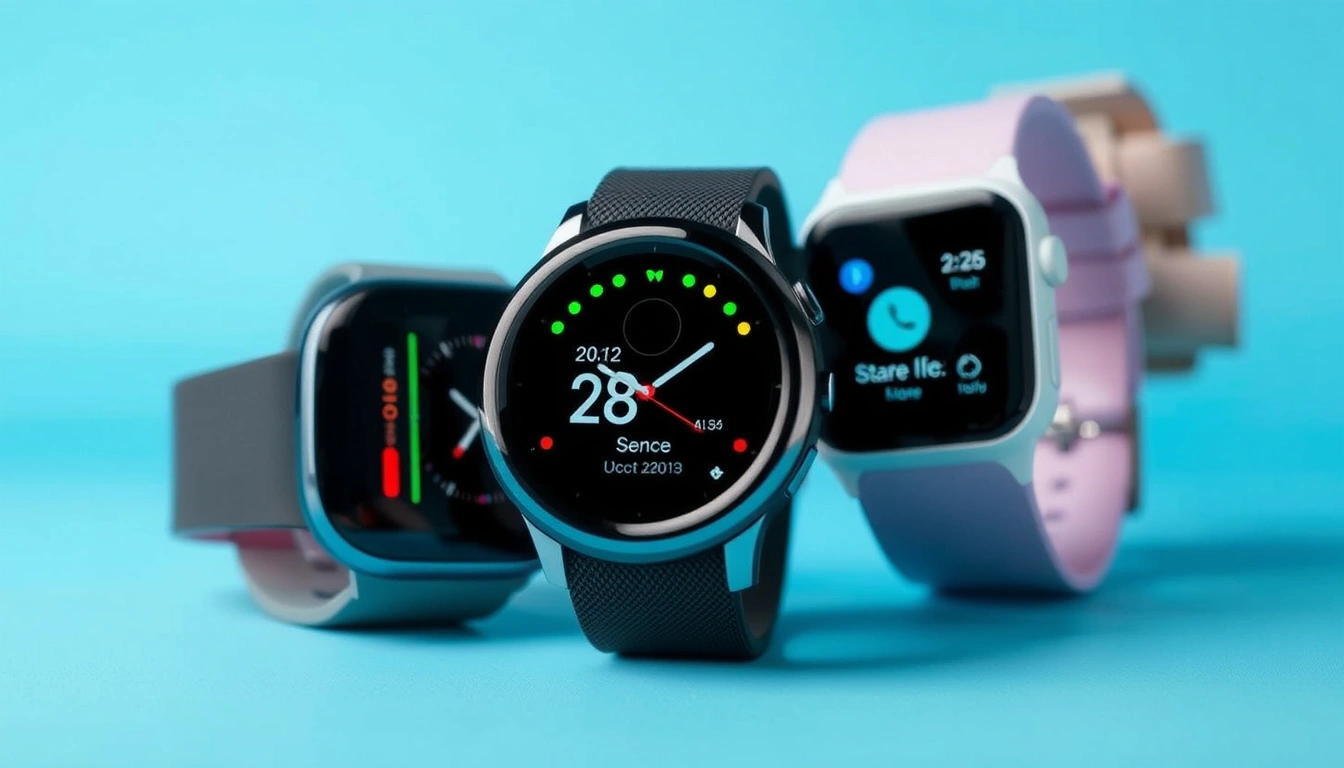
    Best Sleep Trackers for Shift Workers: Which Wearables Handle Irregular Schedules

    Verdict: I’d choose the Charge 6 if you want a practical sleep tracker for shift work without paying for a full premium smartwatch.

    Who it’s for: workers who want a light band, decent sleep summaries, and an app that is easy to understand.

    Pros

    • Slim enough to wear through sleep without feeling like a wrist brick.
    • Fitbit’s sleep presentation is straightforward, which helps if you just want to see whether your sleep window was short, fragmented, or shifted.
    • Good fit for people who want a tracker that does sleep first and smartwatch extras second.
    • Works across a wide range of phones, which makes it less limiting than some watch ecosystems.
    • It gets the job done. No drama.

    Cons

    • It is still a wrist device, so people who find watches uncomfortable at night may prefer a ring.
    • The more advanced health insights may feel less useful if your main goal is just to survive rotating shifts.
    • Battery and feature balance are good, but not as strong as a ring for pure sleep comfort.
    • If you live in another ecosystem and want everything unified, a native smartwatch may be a cleaner choice.
    • Fair trade-off, though: less polish, lower price.

    Key specs

    • Form factor: fitness band
    • Best use: sleep summaries, basic health tracking, light all-day wear
    • Availability: Amazon, Fitbit, Best Buy

    Compare the current price on Amazon: Fitbit Charge 6 on Amazon

    Best for iPhone users: Apple Watch Series 10

    Verdict: For iPhone owners who want one device for sleep, daily life, and notifications, I’d put the Apple Watch Series 10 near the top.

    Who it’s for: iPhone users who want sleep tracking plus a full smartwatch on and off the clock.

    Pros

    • Deep integration with iPhone health data makes it easy to keep sleep history in one place.
    • Works well for people who need a watch they’ll actually keep on during the day, then wear to bed after a shift.
    • Strong for users who want a lot more than sleep tracking: reminders, messages, timers, and broader health features.
    • Good choice if you care about consistency in an Apple-centered setup.
    • Handy. Familiar. Expensive, but tidy.

    Cons

    • Battery life is the obvious weak point for people working long or irregular shifts.
    • It is easy to forget to charge after a hectic night rotation.
    • A smartwatch body is more intrusive in bed than a ring.
    • Not the best value if you only care about sleep and do not want the rest of the smartwatch stack.
    • The charge routine can become the annoying part.

    Key specs

    • Form factor: smartwatch
    • Best use: iPhone sleep tracking + daily smartwatch functions
    • Availability: Amazon, Apple, Best Buy

    Compare the current price on Amazon: Apple Watch Series 10 on Amazon

    Best battery life: Garmin Venu 3

    Verdict: I’d choose the Venu 3 if your schedule is chaotic and you hate charging your wearable every day.

    Who it’s for: shift workers who want long battery life, reliable sleep trend data, and a watch that can stay on through multiple long work blocks.

    Pros

    • The battery advantage is real-life useful for odd schedules, overnight shifts, and travel days.
    • Garmin’s recovery-style metrics can help you look beyond raw sleep duration and think about readiness.
    • Good choice if you are already used to Garmin’s app ecosystem or want a device that handles both training and rest.
    • Helpful for people who prefer a watch over a ring but still want longer wear time.
    • That extra battery margin saves headaches. Plain and simple.

    Cons

    • Garmin’s sleep coaching style is not everyone’s favorite; some users find the interface more data-heavy than friendly.
    • It may feel like too much watch if you only want simple sleep tracking.
    • Those who want the most polished sleep coaching experience may prefer Oura.
    • If you want deep phone integration and a more consumer-friendly app feel, Apple or Fitbit may be easier.
    • Good tool, slightly nerdy. That’s the trade.

    Key specs

    • Form factor: smartwatch
    • Best use: battery life, recovery tracking, sleep trends
    • Availability: Amazon, Garmin, Best Buy

    Best for Android users: Samsung Galaxy Watch7

    Verdict: I’d pick the Galaxy Watch7 for Android users who want sleep tracking inside a familiar phone ecosystem.

    Who it’s for: Samsung phone owners, Android users, and people who want a smartwatch that handles sleep along with the rest of daily life.

    Pros

    • Strong ecosystem fit for Samsung and Android users.
    • Good choice if you want sleep data alongside general health tracking in one device.
    • Works well for people who already wear a watch all day and just need it to keep tracking at night.
    • Helpful when you want one app ecosystem rather than juggling several services.
    • If your phone is already Samsung, the fit is pretty natural.

    Cons

    • Battery life is not the friendliest for long, irregular shift patterns.
    • As with most watches, comfort during sleep depends on the wearer.
    • Sleep tracking is useful, but it is not the most specialized option in this roundup.
    • Non-Samsung Android users may feel less benefit than Galaxy owners.
    • Fine watch. Just not the sleep specialist here.

    Key specs

    • Form factor: smartwatch
    • Best use: Android and Samsung health integration
    • Availability: Amazon, Samsung, Best Buy

    Compare the current price on Amazon: Samsung Galaxy Watch7 on Amazon

    Best for recovery-focused users: Whoop 4.0

    Verdict: I’d choose Whoop if you care more about recovery and strain than about having a screen on your wrist.

    Who it’s for: people who want a screenless band and are willing to pay for a membership model in exchange for deeper recovery framing.

    Pros

    • The screenless design makes it less distracting during sleep and work.
    • Good for users who want a recovery-first view of how shift work affects the body.
    • The strap style can feel less annoying than a full smartwatch.
    • Useful if you like the idea of connecting sleep, exertion, and recovery in one system.
    • No screen. Less temptation to poke at it.

    Cons

    • The membership model is the biggest drawback and can make the long-term cost less attractive.
    • No screen means you rely heavily on the app.
    • If you want a simple one-time purchase, this is not the cleanest buy.
    • It is overkill if all you want is a straightforward sleep log.
    • The bill keeps showing up.

    Key specs

    • Form factor: screenless band
    • Best use: recovery and strain tracking
    • Availability: Amazon, WHOOP, Best Buy

    Compare the current price on Amazon: WHOOP 4.0 on Amazon

    Buying guide: what matters most for shift workers

    The wrong sleep tracker for shift work assumes sleep has to happen at night and in one block. I would look for these traits first:

    1) Nap tracking and split sleep

    Shift workers often sleep twice, not once. If a wearable treats naps as junk data, it can undercount the sleep that actually keeps you functional. If your sleep is chronically irregular, consider discussing your fatigue and sleep strategy with a clinician or sleep professional.

    2) Comfort while sleeping

    If the device wakes you up, it fails at its core job. Rings are usually better for sleep comfort. Bands can work well. Bulky watches are a mixed bag.

    3) Battery life

    Long shifts, commute time, and accidental charging gaps punish weak batteries. If you work overnight and then sleep in the morning, long battery life is a real advantage.

    4) A trend view, not a single score

    A single sleep score can be misleading when your bedtime moves around. I would prioritize apps that make it easy to see patterns across weeks.

    5) Ecosystem fit

    If you already use Apple Health, Samsung Health, Garmin Connect, or Fitbit’s app, staying inside that system can reduce friction. For many people, the best sleep tracker is the one they will keep wearing.

    Common mistakes shift workers make

    • Buying a tracker that looks great for fitness but not for sleep comfort
    • Ignoring battery life when a 12-hour shift makes charging inconvenient
    • Treating one bad daytime sleep score as proof that the wearable failed
    • Choosing a device that does not fit their phone ecosystem
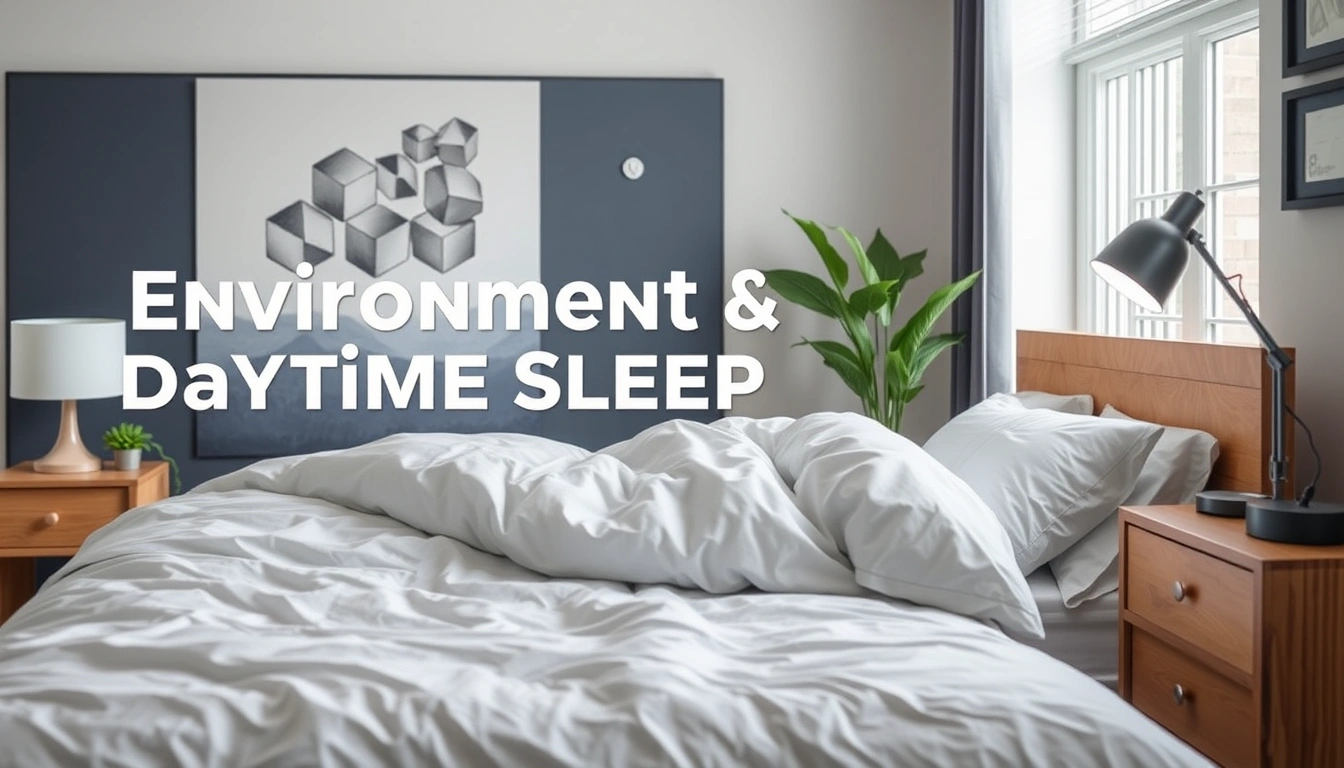
  • Sleep Environment & Daytime Sleep Optimization — The Complete Guide

    Sleep Environment & Daytime Sleep Optimization — The Complete Guide

    Last updated: August 11, 2026

    Key Takeaways

    • – Morning light helps anchor the body clock; 10–30 minutes outside is a practical target for many people.
    • – Caffeine timing matters; many adults do better by stopping caffeine 6–8 hours before bed.
    • nap that was supposed to be “just 20 minutes” and turned into 70.
    • – Keep naps short and intentional ; a 10–20 minute nap is less likely to disrupt the night than a long late nap.

    Quick Answer: for most people, sleep environment & daytime sleep optimization — complete guide changes can improve sleep in 1–7 days when the main problem is light, noise, temperature, naps, or timing. The quickest wins are usually a darker room, a cooler room, and a steady wake time.

    Key Facts
    – A sleep-friendly room should be dark, cool, quiet, and boring.
    – Morning light helps anchor the body clock; 10–30 minutes outside is a practical target for many people.
    – Keep naps short and intentional; a 10–20 minute nap is less likely to disrupt the night than a long late nap.
    – Caffeine timing matters; many adults do better by stopping caffeine 6–8 hours before bed.
    – If you have insomnia, shift work, untreated snoring, restless legs, depression, medication side effects, or another medical issue, consult a clinician rather than treating this guide as a substitute for care.
    – Loud snoring, choking at night, or severe daytime sleepiness means you should seek medical evaluation.

    A bad night can start with something as ordinary as a hallway light or a 4 p.m. coffee. I’d stop calling that “poor sleep hygiene” in the abstract and look at two concrete levers: your sleep environment and what you do during the day. That’s the real issue. How do you set up the room and the clock so you fall asleep faster, stay asleep longer, and wake up less wrecked? This sleep environment & daytime sleep optimization — complete guide takes a practical, evidence-minded angle, and the pattern is usually the same: people chase one magic fix while the real culprit is a noisy room, too much light, inconsistent timing, or naps that quietly sabotage the night.

    The answer is not one perfect bedroom or one perfect nap rule. It’s a system. The room should make sleep easier, not “nice.” Your daytime choices should protect your sleep drive, not drain it. And if you already have insomnia, shift work, untreated snoring, restless legs, depression, medication side effects, or any other medical issue affecting sleep, I would treat this guide as a starting point and talk with a clinician as well, because those problems can need targeted treatment. The National Heart, Lung, and Blood Institute and the American Academy of Sleep Medicine both emphasize that persistent sleep problems deserve medical attention when symptoms suggest a disorder. Fair enough.

    The Real Difference Between a Sleep-Friendly Bedroom and a Sleep-Fragile Day

    A sleep-friendly bedroom helps because it removes friction right when sleep has to happen. By contrast, a sleep-fragile day is what undermines all that effort: late caffeine, random naps, too little daylight, and irregular sleep timing. I would not separate those into different buckets. They’re one loop.

    The biggest mistake I see is spending money on gadgets while ignoring the basics. A cooling mattress topper will not rescue a room that is bright at 2 a.m. and noisy before dawn. Blackout curtains help, sure, but they do not erase a 5 p.m. nap that was supposed to be “just 20 minutes” and turned into 70. Sleep is touchy in a very ordinary way. Light, sound, temperature, and timing all nudge your brain toward sleep or away from it.

    So the first move is usually environment, then daytime control. The room matters most because it affects the hours when you cannot easily fix things. Daytime sleep optimization matters because it decides whether you reach bedtime genuinely sleepy or merely tired and wired.

    What generic advice gets wrong is pretending all of this is interchangeable. It isn’t. A bad bedroom means you wrestle the room every night. A bad daytime routine means you wrestle your biology every night. Fix the room first if outside cues are waking you. Fix the day first if you’re dozing on the couch, taking long naps, or going to bed too late because you were under-slept and overstimulated all afternoon.

    The practical standard I use is simple: a sleep environment should be dark, cool, quiet, and boring; daytime sleep should be short, intentional, and timed to protect the next night.

    Sleep Environment: Who Should Actually Use This Approach (and Who Shouldn’t)

    Sleep Environment & Daytime Sleep Optimization — The Complete Guide

    Use this approach when the room itself is interrupting sleep. When light leaks around your curtains, traffic wakes you, your partner tosses and turns, or your bedroom feels too warm by midnight, sleep-environment work is not optional. It is the most direct fix available.

    I’d also put this near the top for anyone adjusting to a new schedule — new parent life, shift work, a move, or a room that simply wasn’t built for sleep. In those situations, the bedroom has to carry more weight because circadian timing is already strained. A better room cannot solve everything, but it can take a large edge off the problem. And that edge matters.

    The strengths here are concrete. Darkness cuts unwanted alerting signals. Quiet reduces micro-arousals. A cooler room usually helps because the body naturally lowers core temperature as sleep begins. A simple, repeatable setup also makes bedtime feel like a cue instead of a nightly negotiation. That consistency matters more than expensive gear. You do not need a designer mattress or a pile of sleep products. You need fewer wake-up triggers.

    The weaknesses are just as real. A perfect bedroom cannot compensate for untreated sleep apnea, chronic pain, medication effects, alcohol use close to bedtime, or a stress response that keeps your mind racing for hours. If you have one of those issues, environmental work helps, but it will not be enough on its own, so I would consult a clinician about the underlying cause. Another downside: people sometimes turn sleep optimization into a shopping hobby. That gets expensive and confusing fast. At some point, more stuff means more decisions, not better sleep.

    Who should skip this “fix the room first” mindset? People whose main problem is not the room but the clock. When you can sleep well in a hotel, a friend’s house, or on vacation, but still feel exhausted because you nap late, wake up too late, and drink caffeine too late, your environment is not the main bottleneck. Your daytime timing is.

    The best use case for a sleep-environment overhaul is a person who wants fewer awakenings, faster sleep onset, and less dependence on willpower at bedtime. The worst use case is someone trying to solve a medical sleep disorder with blackout curtains alone.

    Daytime Sleep Optimization: The Specific Situations Where It Wins

    Daytime sleep optimization wins when the room is decent but your schedule keeps wrecking the night. When you’re not sleepy at bedtime, sleep too late, or fight afternoon crashes, the day is probably the lever that matters most. I’d focus here when the complaint sounds like: “I’m tired all day, but I can’t fall asleep when I finally get into bed.”

    The core strength of daytime optimization is that it works upstream. Morning light exposure helps anchor your body clock. A regular wake time tells your brain when the day starts, even if the night was rough. Strategic naps can reduce pressure without flattening the night, provided they stay short and early enough. Caffeine is useful when it is timed well and a problem when it lingers too late into the day. Exercise fits here too, not as a miracle cure, but as a steady way to support sleep pressure and circadian timing when done consistently — and you should consult a professional if exercise aggravates pain or another medical issue.

    This approach is especially useful for students, shift workers, caregivers, people with irregular schedules, and anyone who keeps “catching up” on sleep in ways that backfire. It also helps people who sleep too long on weekends and then cannot fall asleep Sunday night. That pattern is a classic sign that the day, not the bedroom, is the real issue.

    The drawback is that daytime optimization asks for discipline when you already feel tired. It can seem stricter than bedroom changes because it demands timing, not just purchases. And naps are tricky. For some people, a short nap makes them functional. For others, it turns into grogginess, later bedtime, and a worse night. That’s the trade-off: the wrong nap can buy you two hours of alertness and cost you four hours of sleep later. Ugly math.

    Who should be cautious? People with severe daytime sleepiness, sudden sleep attacks, or nodding off while driving. In those cases, I would not treat naps as a self-management tool alone. That needs medical evaluation. Same with loud snoring, choking at night, or leg discomfort that keeps you awake. Sleep optimization is useful, but it should not delay diagnosis.

    The sweet spot for daytime sleep optimization is someone whose nights are not ruined by the room but by timing, stimulation, and a mismatch between body clock and schedule.

    The Honest Side-by-Side

    Sleep Environment & Daytime Sleep Optimization — The Complete Guide

    Below is the comparison I would actually use if I were deciding where to spend effort first. The “best” choice depends on what is breaking your sleep. When the room is the thing waking you, environment wins. When your clock is the thing off-track, daytime optimization wins.

    Criteria Sleep Environment Daytime Sleep Optimization Winner for [condition]
    Main problem solved Reduces wake-ups from light, noise, temperature, and discomfort Improves sleep timing, sleep pressure, and daytime alertness Environment if the bedroom wakes you up; daytime if timing is the issue
    Speed of payoff Often immediate the same night Usually builds over several days of consistency Environment for quick relief
    Best use case Noisy, bright, warm, or disruptive bedroom Irregular schedule, late naps, caffeine drift, low morning light Depends on symptom pattern
    Cost to improve Can range from low to high depending on upgrades Usually low; mostly behavior and routine changes Daytime optimization for budget-conscious readers
    Risk of overdoing it Can become gear obsession Can become rigid or overly restrictive Neither if you need flexibility
    Helps sleep onset Yes, if the room is the obstacle Yes, if timing and sleep pressure are the obstacle Environment for sensory disruptions; daytime for schedule issues
    Helps staying asleep Strongly, especially for light/noise sensitivity Indirectly, by preventing sleep debt and timing drift Environment
    Works without self-control at night Partly, if the setup is already in place No, it requires active daytime decisions Environment
    Can backfire Yes, if products add clutter, heat, or cost without solving the real issue Yes, if naps are too long or caffeine is too late Neither; both need restraint

    My read is blunt: sleep environment is the more reliable first intervention when you know the room is part of the problem. Daytime sleep optimization is the more powerful second layer when your sleep schedule is the problem. I would not choose between them as if one replaces the other. I would choose the one that attacks the main failure point first.

    Sleep Environment: The Parts That Actually Matter

    When you’re going to improve the room, I would start with the elements that most often change sleep quality: light, sound, temperature, and bedding comfort. That order matters because people usually chase the wrong problem first. They buy a pillow before fixing the hallway light that leaks under the door.

    Light is the first lever. Darkness helps your brain stop receiving “stay awake” cues. Blackout curtains, a properly placed sleep mask, and cutting bright screens near bedtime all fit here. The trade-off: total darkness can be wonderful for sleep, but some people find it disorienting if they need to get up at night. A dim night light may be a better compromise for families, older adults, or anyone who stumbles in the dark.

    Sound comes next. When you live with traffic, neighbors, pets, or a partner who snores, sound control matters. White noise or earplugs can help, but neither is perfect. Earplugs can be uncomfortable for side sleepers or people with ear sensitivity. White noise can mask sudden disturbances, yet some people find it annoying or too constant. My recommendation is to solve the biggest source of noise first, then use masking as a backup.

    Temperature is often underestimated. A room that feels a little too warm can make sleep start slower and make waking more likely during the night. Cooling the room, choosing breathable bedding, and avoiding heavy layers are practical steps. The downside is that “cooler” is personal. Too cold is not better; it just creates a different kind of discomfort.

    Bedding and mattress comfort matter, but I would rank them behind the above unless your current setup is clearly causing pain, pressure points, or overheating. A pillow that keeps your neck neutral can matter more than a fancier mattress for some people. A mattress that is too soft or too firm can wake you up, but unless it is obviously wrong for your body, I would not treat a full replacement as the first move.

    This is where generic advice often falls flat: it acts as if every sleep issue can be solved by the same bedroom checklist. They cannot. The right fix depends on what is disturbing sleep — light, noise, heat, pain, or clutter-induced alertness.

    For authoritative background on sleep timing, the National Institute of General Medical Sciences has a clear overview of circadian rhythms, and the CDC’s sleep resources are useful for practical sleep-health basics. I would also consider guidance from the American Academy of Sleep Medicine if your sleep problem is persistent or severe. The Sleep Foundation also has practical checklists for room setup, and the NIH and CDC pages are useful starting points for sleep environment & daytime sleep optimization — complete guide readers who want a simple evidence base.

    Daytime Sleep Optimization: How to Use Naps, Light, Caffeine, and Timing Without Backfiring

    This is where a lot of people accidentally make their nights worse. Daytime sleep optimization works, but only if it is deliberate. I’d keep the rules simple: wake up at a consistent time, get morning light, use naps sparingly, and treat caffeine like a tool with a cutoff.

    Morning light is one of the strongest daytime signals you can use. It tells your body that the day has started and helps set the timing of the next night’s sleepiness. I do not mean you need some perfect sunrise ritual. I mean get outside early when you can, especially if your schedule is drifting later and later. The upside is strong, low-cost, and repeatable. The downside is obvious: weather, geography, and work schedules do not always cooperate. The CDC notes that regular sleep schedules and daylight exposure are part of good sleep habits, and that advice fits this sleep environment & daytime sleep optimization — complete guide.

    Naps are the most misunderstood piece. A short nap can rescue alertness without destroying the night. A long or late nap can hollow out sleep pressure and make bedtime drag. When you nap, I would keep it intentional and modest. The goal is to restore function, not to replace nighttime sleep. If you routinely need long naps, that is not a productivity hack. It is a clue that something else is wrong.

    Caffeine deserves the same honesty. It helps many people, but it can linger longer than they expect. The practical move is to stop treating late caffeine as harmless just because you “can still fall asleep.” Falling asleep and sleeping well are not the same thing. When you wake in the night, lie there wired, or feel unrefreshed in the morning, your caffeine timing may be part of the problem. The American Academy of Sleep Medicine recommends avoiding caffeine later in the day for people who struggle with sleep, and many adults use a 6–8 hour cutoff as a workable rule.

    Exercise belongs here too. Regular movement helps sleep drive and supports stable rhythm. I would rather see someone walk every day than do one intense workout and sit still for the rest of the week. The drawback is that exercise timing and intensity can be personal. Very late, intense sessions may energize some people when they were hoping to wind down.

    This is also where shift work and irregular schedules get tricky. When your sleep window changes often, the goal is not perfection. It is consistency wherever you can manage it: stable wake time when possible, strategic light exposure, and avoiding naps that spill into the next sleep period.

    For people dealing with persistent insomnia, the American Academy of Sleep Medicine and the National Sleep Foundation both have practical material on sleep timing and behavior. If sleepiness is severe or unsafe, a medical evaluation is the right next step. If you have insomnia, shift work disorder, untreated snoring, restless legs, or depression, consult a clinician rather than self-treating indefinitely.

    Our Verdict: Which One to Choose and Why

    Choose sleep environment first if your room is waking you up, you fall asleep fine elsewhere, or your nights are full of light, noise, heat, or discomfort. Choose daytime sleep optimization first if your room is basically fine but your schedule is chaotic, your naps are too long, your caffeine is too late, or your wake time shifts constantly. Neither if you have loud snoring, choking at night, restless legs, severe insomnia, or daytime sleepiness that makes driving unsafe.

    That is my call. I would not blur the two choices into a vague “improve both” answer, because the reader needs a starting point. Start where the friction is highest. If you are being woken by the environment, fix the room. If you are arriving at bedtime with the wrong amount of sleep pressure, fix the day.

    My own judgment is that environment changes are the faster confidence-builder. They give you an immediate signal: when the room is better, sleep often gets better that night. Daytime changes are the more durable system fix when the room is already decent. They take longer to prove themselves, but

  • Strategic Napping for Night Shift Workers: Length, Timing, and When to Skip It

    Strategic Napping for Night Shift Workers: Length, Timing, and When to Skip It

    Last updated: August 11, 2026

    Key Takeaways

    • Either 20 minutes or 90 minutes.
    • Quick Answer: For most night shift workers, a 20-minute nap taken 3–5 hours before your shift is the single highest-return adjustment you can make.
    • The 30–60 minute range carries the highest risk of sleep inertia — waking mid-slow-wave sleep causes disorientation that can last 20–30 minutes.
    • Caffeine takes approximately 20–30 minutes to absorb; drinking one standard cup immediately before a 20-minute nap (“nappuccino”) allows it to peak on waking.

    Quick Answer: For most night shift workers, a 20-minute nap taken 3–5 hours before your shift is the single highest-return adjustment you can make. It avoids sleep inertia, tops up alertness when homeostatic sleep pressure is still manageable, and doesn’t cut into your post-shift recovery window. Say your shift starts at 11 p.m. and you last slept at 8 a.m. — that nap belongs around 6–7 p.m., not at 9 p.m., and definitely not skipped.

    Key Facts

    • Night shift workers average 1–4 fewer hours of sleep per 24-hour period than day workers, according to NIOSH guidance on extended work schedules.

    • A 20-minute nap stays in Stage 1–2 sleep; alertness benefit arrives within minutes of waking with minimal grogginess.

    • A 90-minute nap covers one full sleep cycle (~90 min) and is the correct length for reducing accumulated sleep debt before a demanding shift.

    • The 30–60 minute range carries the highest risk of sleep inertia — waking mid-slow-wave sleep causes disorientation that can last 20–30 minutes.

    • Caffeine takes approximately 20–30 minutes to absorb; drinking one standard cup immediately before a 20-minute nap (“nappuccino”) allows it to peak on waking.

    • The American Academy of Sleep Medicine classifies shift work sleep disorder as a circadian rhythm sleep-wake disorder; symptoms persisting beyond 3 months warrant professional evaluation.

    • Blackout curtains reduce ambient light to near-zero — even moderate daytime light measurably degrades sleep quality by suppressing melatonin via the suprachiasmatic nucleus.

    • Performance feels subjectively normal even when objectively impaired under chronic sleep restriction — a finding well-documented in occupational sleep research.

    Most advice about night shift sleep assumes you have the luxury of eight hours before you clock in. You don’t. Strategic napping for night shift workers isn’t a bonus wellness practice — it’s one of the few practical tools you have to push back against the physiological cost of working when your body expects to be unconscious.

    Here’s what I’d tell someone starting nights for the first time: your body runs on two overlapping sleep drives. One is homeostatic — sleep pressure that builds the longer you stay awake. The other is circadian — a 24-hour biological clock that, unless you’ve worked nights for months and adapted, still signals alertness in the afternoon and a steep performance crash somewhere between roughly 3 and 6 a.m. Purposeful napping for night shift workers is how you manage both drives simultaneously, especially when fully flipping your sleep schedule isn’t realistic. This guide covers the steps to implement each nap type correctly, compares your realistic options, and explains when napping does more harm than good.

    Why Standard Sleep Advice Fails Night Shift Workers

    “Sleep when you’re tired” fails night shift workers because it ignores the fact that your sleep window — whenever you find it — will be fighting ambient light, social noise, and a circadian system that often isn’t cooperating. Night shift workers frequently end up sleeping less total than day workers, and what sleep they do get is lighter and less restorative. NIOSH has documented the relationship between shift work, sleep disruption, and occupational safety in its guidance on extended work schedules.

    Chronically short sleep impairs reaction time, worsens decision-making, and significantly elevates the risk of errors on the job — all of which matter if you’re working in healthcare, transport, logistics, or any environment where a mistake costs something. Not trivial, in other words.

    Most “tips” treat night shift sleep as a scheduling problem. It’s also a biological one. Some evidence suggests that the two-process model of sleep regulation — homeostatic and circadian — means timing a nap correctly matters as much as its length, according to research published in SLEEP, the journal of the Sleep Research Society. A well-timed nap doesn’t just add minutes of sleep; it places those minutes where they do the most metabolic work. That biological dimension is why scheduling fixes alone rarely hold.

    The Three Strategic Nap Lengths Night Shift Workers Should Know

    Strategic Napping for Night Shift Workers: Length, Timing, and When to Skip It

    Choose the wrong length and napping backfires — that’s the most common reason planned napping for night shift workers fails in practice. Not all naps produce the same outcome.

    A 10–20 minute nap — sometimes called a power nap — stays almost entirely in lighter Stage 1 and Stage 2 sleep. Because you don’t drop into slow-wave sleep, you don’t wake up groggy. Reach for this format before a shift or during a break when you need to return to work within the hour. The alertness benefit is real. It arrives fast.

    A 30–45 minute nap is a gamble — long enough that you may enter slow-wave sleep but not long enough to complete a full cycle.

    Wake in the middle of deep sleep and you’ll face sleep inertia: that heavy, disoriented feeling that lingers for 20–30 minutes afterward. In a clinical or driving setting, that recovery window is genuinely dangerous. Honestly, just avoid this length unless you have reliable time to let the grogginess clear before you need to perform.

    A 90-minute nap roughly matches one complete sleep cycle. You move through light sleep, slow-wave sleep, and back through lighter stages — which means you’re more likely to wake at a natural boundary. The trade-off: 90 minutes is a real time commitment, and sleeping that long during the day requires blackout curtains and a way to manage household noise. Done well, it can meaningfully reduce accumulated sleep debt before a demanding shift.

    How to Time Your Strategic Nap Around a Night Shift: Before, During, and After

    Timing separates strategic napping for night shift workers from reactive dozing — and pre-shift, on-shift, and post-shift napping each carry different rules.

    Pre-shift napping is probably underused. Say your shift starts at 11 p.m. and you slept from 8 a.m. to 3 p.m. — by the time you clock in, you’ve already been awake for eight hours. A 90-minute nap taken around 6–7 p.m., late enough that it won’t fragment your main sleep and early enough to clear grogginess before you leave, can substantially reduce how fatigued you feel in the early hours of your shift.

    One timing caveat: napping too close to your next main sleep attempt will erode homeostatic sleep pressure and make it harder to sleep deeply afterward. Keep pre-shift naps at least four to five hours before your intended main sleep period.

    On-shift napping depends entirely on whether your employer permits it and what your facility’s rest break policies look like. A quiet room plus a 20-minute window in the first half of an overnight shift? Worth taking. The performance benefit to reaction time and vigilance from even a brief mid-shift nap has been studied in nursing and emergency services contexts — the Sleep Foundation’s shift work resources summarise this evidence accessibly.

    Napping in the second half of the shift is the common mistake — say, at 5 a.m. — because it worsens sleep inertia during the most dangerous part of the commute home and reduces your ability to sleep during the day afterward. Practical rule: on-shift naps belong in the first half, not the second.

    Post-shift napping is where most night workers land by default. You’ve driven home, you’re exhausted, and you fall asleep at 8 a.m. for however long the day allows. This is the main sleep period for most rotating shift workers — protect it above everything else. Noise, sunlight, and family obligations cutting it short? Fix that first, before optimising any nap timing.

    The Honest Failure: When Napping Becomes the Problem

    Strategic Napping for Night Shift Workers: Length, Timing, and When to Skip It

    Napping doesn’t fix a wrecked sleep schedule. It patches it temporarily. That distinction matters more than any specific timing rule.

    Researching how shift workers actually manage fatigue long-term, the pattern I kept seeing wasn’t people who had mastered napping. It was people who had tried to substitute a patchwork of naps for consolidated sleep — and paid for it. The failure mode looks like this: the main sleep period gets shorter due to life circumstances, you add naps to compensate, those naps fragment the next main sleep period, and the debt compounds week over week.

    Within a few weeks, you’re sleeping in 90-minute patches across the day. No single window is long enough to deliver adequate slow-wave sleep. Mood and cognitive function deteriorate in ways a nap won’t fix.

    The real cost isn’t dramatic — it’s invisible. Performance feels subjectively normal even when it’s objectively impaired under sleep deprivation; that math stops working fast, and it’s the occupational sleep research finding most worth internalising, because it means you stop noticing how bad you feel.

    Since subjective alertness isn’t a reliable signal, the more useful question is structural: a main sleep period consistently under five hours means nap strategy is a secondary intervention. Fix what’s cutting the sleep short first.

    When to Skip the Strategic Nap Entirely

    Certain situations make napping counterproductive — recognising them is as important as knowing when to nap.

    Switching back to a day schedule? Skip the nap. Sleeping during the day delays circadian re-alignment and extends the period during which you feel awful at night and groggy in the morning. Short-term misery from staying awake is usually worth the faster recovery.

    Already at risk for the circadian sleep condition tied to shift work? Skip it, or at least be disciplined about it. This is a recognised clinical condition — persistent insomnia or excessive sleepiness tied specifically to shift work — and undisciplined napping can deepen it. The circadian rhythm sleep-wake disorder guidelines from the AASM recommend professional evaluation for workers whose symptoms persist beyond roughly three months. Persistent difficulty sleeping during your main window despite good sleep hygiene? A sleep specialist should assess whether ongoing napping is appropriate for your situation.

    Slept well and have fewer than four hours until your shift starts? Skip the pre-shift nap. At that point you’re more likely to build up sleep inertia than to bank useful rest.

    The Physical Setup That Makes Night Shift Napping Work

    A theoretically perfect nap in a bad environment gives you nothing. Physical setup is where most strategic napping for night shift workers breaks down in practice.

    Blackout curtains or a sleep mask: the minimum viable setup for daytime sleep. Light is the strongest circadian time-cue — it signals “daytime” to the suprachiasmatic nucleus regardless of how tired you are, suppressing melatonin and raising cortisol. Even moderate exposure during sleep measurably reduces sleep quality. Non-negotiable, honestly.

    Build on that light-control foundation with a white noise machine or earplugs. A neighbour’s delivery or a passing car can cut a nap short at the worst possible moment — interruption during slow-wave sleep induces sleep inertia without the corresponding recovery benefit.

    Caffeine timing is worth considering alongside your environment. The “nappuccino” — drinking coffee immediately before a 20-minute nap, so caffeine peaks as you wake — works because absorption takes roughly 20–30 minutes. A standard cup does the job; no specialist product required. To be fair, this buys you alertness, not sleep. Don’t mistake one for the other.

    Strategic vs. Reactive Napping: What Actually Changes

    Metric
    Reactive Napping
    Strategic Napping
    What Shifts

    Sleep inertia on wake
    Frequent, unpredictable
    Rare (with 20-min or 90-min lengths)
    Length discipline

    Main sleep quality
    Fragmented
    More consolidated
    Nap timing relative to main sleep

    Pre-shift alertness
    Variable
    More consistent
    Pre-shift nap 5–6 hrs out

    On-shift low point
    Hits hard ~3–4 a.m.
    Lower amplitude
    Early-shift nap if permitted

    Day-sleep duration
    Often cut short
    Protected
    Environment setup

    Results aren’t instant. Most workers need two to three weeks of consistent practice before the difference becomes legible. Those first few days of enforcing nap-length discipline — cutting a 45-minute nap down to 20 — will feel counterintuitive, because you woke before you felt ready. That feeling fades.

    FAQ: Strategic Napping for Night Shift Workers

    How long should a nap be before a night shift? Either 20 minutes or 90 minutes. Twenty minutes avoids sleep inertia and works well when you’re napping three to five hours out from your shift. Ninety minutes suits a longer gap and helps pay down accumulated sleep debt. Avoid the 30–60 minute middle ground — that’s where waking from deep sleep leaves you feeling worse than before.

    Is it better to nap before or after a night shift? Pre-shift napping is generally more effective for on-shift performance. Post-shift sleep is your main recovery window; treat it as a full sleep period, not a nap. Consistently sleeping fewer than six hours after your shift? Focus on extending that window before layering in pre-shift naps.

    Can napping make up for lost sleep on night shift? Partially. Napping reduces acute sleepiness and improves short-term performance, but it doesn’t fully substitute for consolidated sleep. Chronic sleep restriction accumulates in ways that brief naps don’t resolve. Think of napping as harm reduction while you sort out your main sleep window — not a replacement for it.

    What if I can’t fall asleep when I try to nap? Common in the early weeks of shift rotation. Your circadian rhythm is fighting the timing. Keep the attempt to 20 minutes, stay in a dark quiet space even without sleep onset, and don’t force it. Some workers find that simply lying still with eyes closed provides partial recovery — rest without sleep is still rest.

    When should a night shift worker see a doctor about sleep? Three months of nights and you still can’t sleep during the day despite good sleep hygiene — that’s when to seek help. Same goes for persistent low mood, difficulty concentrating off-shift, or struggling to stay awake while driving. The Sleep Medicine guidelines published by AASM identify these as signs consistent with the circadian rhythm condition known as shift work sleep disorder — a recognised clinical diagnosis rather than ordinary adjustment; a clinician can assess whether melatonin timing, light therapy, or other treatments are appropriate. Self-managing indefinitely with caffeine and naps is not a sustainable plan.

  • How to Manage Fatigue on Back-to-Back Night Shifts Without Relying on Caffeine

    How to Manage Fatigue on Back-to-Back Night Shifts Without Relying on Caffeine

    Last updated: August 11, 2026

    Key Takeaways

    • Key Facts Caffeine’s half-life is approximately 5–7 hours in most adults, meaning a cup consumed at 3 a.m.
    • is still 50% active at 8–10 a.m.
    • Post-rotation recovery takes 24–48 hours of disrupted circadian rhythm before a worker stabilises back on a day schedule.
    • A large high-carbohydrate meal mid-shift produces a predictable energy crash within 60–90 minutes.

    Quick Answer: Managing fatigue on back-to-back night shifts without caffeine comes down to three evidence-backed actions: anchor your daytime sleep to a consistent post-shift window of at least 7–8 hours, add a 20-minute pre-shift nap from night 3 onward, and use light exposure deliberately — bright light in the first half of shift, wraparound sunglasses on the commute home. These interventions, layered together, can reduce performance impairment across a five-night rotation more reliably than caffeine alone by night three.

    Key Facts

    • Caffeine’s half-life is approximately 5–7 hours in most adults, meaning a cup consumed at 3 a.m. is still 50% active at 8–10 a.m. when you’re trying to sleep.

    • A pre-shift nap of 20–30 minutes is the single most evidence-supported intervention for late-shift cognitive performance, per NIOSH research summaries.

    • Melatonin doses of 0.5–1 mg taken 30–60 minutes before target sleep are considered effective in the research literature; the 10 mg tablets commonly sold are likely too high for most users.

    • Full circadian adaptation to permanent night shifts can take several weeks; rotating-schedule workers often never fully adapt.

    • A large high-carbohydrate meal mid-shift produces a blood sugar crash within 60–90 minutes — coinciding with the circadian low point between 3 and 4 a.m.

    • Blackout blinds or a sleep mask consistently make the biggest equipment-level difference to daytime sleep quality for night workers.

    • Post-rotation recovery takes 24–48 hours of disrupted circadian rhythm before a worker stabilises back on a day schedule.

    Contents

    Night shift fatigue has a particular cruelty: you’re exhausted by shift two, you know shift three is coming, and the coffee stopped working around 3 a.m. Managing fatigue on back-to-back night shifts without defaulting to caffeine is one of the most practical problems shift workers face — and the standard advice (“sleep in a dark room, avoid screens”) skips the parts that are actually hard.

    What follows is a synthesis of what the sleep science actually supports, combined with the structural thinking that separates workers who adapt from those who spend a rotation grinding themselves into the floor. This is not a personal experiment diary and not a promise of easy fixes. It covers what works, what the real trade-offs are, and why the usual tips fail in practice.

    Why Caffeine Stops Solving the Problem on Consecutive Nights

    The standard explanation is adenosine — the chemical that accumulates while you’re awake and creates sleep pressure. Caffeine blocks adenosine receptors; it doesn’t clear the adenosine. By night three of a run, you’re carrying a debt of accumulated sleep pressure that caffeine can no longer paper over. You dose more, sleep worse during your recovery window, and arrive at shift four more impaired than shift one.

    There’s a secondary problem that compounds this: caffeine’s half-life is roughly 5–7 hours in most adults, though individual variation is wide. Consuming it in the second half of a night shift means it’s still active when you try to sleep that morning. You lose recovery time. The debt compounds further.

    Because of that compounding effect, “drink more coffee” stops being a strategy after night two and becomes a mechanism for worsening the problem of managing fatigue on back-to-back night shifts that you’re trying to solve.

    The question worth asking, then, isn’t “how do I push through the tiredness” but “how do I manage sleep debt so the tiredness stays manageable.”

    The Anchor Sleep Strategy: The One Structural Change That Actually Matters

    How to Manage Fatigue on Back-to-Back Night Shifts Without Relying on Caffeine

    Most caffeine-heavy workers on night rotations are sleeping opportunistically — whenever they can, for however long they can, without a plan. That’s the real problem, and no supplement fixes it.

    The approach backed by circadian biology research (including guidance from organisations like the National Institute for Occupational Safety and Health) is to anchor your main sleep block to a consistent time relative to your shift pattern, rather than just collapsing whenever you get home. In practice, this means treating your daytime sleep with the same non-negotiable status as the shift itself.

    For a run of nights starting at, say, 22:00:

    • Night 1: Sleep immediately after getting home. Don’t stay up to “feel normal.” You are not going to feel normal.

    • Night 2: Same window. Protect it like you would a flight.

    • Night 3 onward: If you can add a short nap — 20 to 30 minutes — before leaving for shift, this is the single most evidence-supported intervention for late-shift cognitive performance.

    The short pre-shift nap is where most advice fails workers, because it says “take a nap” without saying how. Twenty minutes is the ceiling before you risk entering deeper sleep stages and waking groggy (a phenomenon called sleep inertia). Set a timer. Lie down in darkness. If you don’t fall asleep, the rest alone has value.

    One honest trade-off: this strategy works much better for workers who have control over their home environment. If you’re sharing a house with children, a day-schedule partner, or noisy neighbours, implementing a consistent daytime sleep window is genuinely difficult. The strategy isn’t wrong — the conditions for it require active negotiation, not just individual willpower.

    Light as a Tool, Not Just a Nuisance

    Alongside those wraparound-sleep and home-environment strategies, light management is the other lever most night workers leave unused. Light is the most powerful regulator of the circadian clock, and most night workers are using it accidentally rather than intentionally.

    The core principle: bright light in the early part of your night shift delays your circadian clock, helping your body stay alert. Darkness when you’re trying to sleep protects recovery.

    Specifically, here is what this looks like in practice:

    At work: Use well-lit areas, particularly in the first half of shift. If your role allows movement, bias toward brighter spaces between midnight and 2 a.m. Some workers use a portable bright light therapy lamp during breaks in the early portion of their shift — these are widely available and there’s reasonable evidence behind them for shift workers.

    Getting home: If daylight is breaking when you finish your shift, wearing wraparound sunglasses on the commute home is not paranoia — it’s circadian management. Morning light hitting your eyes triggers a “wake up” signal that competes with your ability to fall asleep when you arrive home. That same wraparound approach applies any time you need to move through bright outdoor light before your sleep window.

    Blackout blinds in your bedroom: This is the one piece of equipment that most consistently makes a real difference to daytime sleep quality for night workers. A sleep mask is cheaper and portable. Both work.

    The Sleep Foundation’s guidance on shift work disorder covers the phototherapy research in more depth if you want to read the underlying studies.

    Nutrition Timing: What to Eat (and When) on Night Shifts Without Crashing

    How to Manage Fatigue on Back-to-Back Night Shifts Without Relying on Caffeine

    Even with sleep architecture and light exposure optimised, the wrong food at the wrong time will undo much of that work. This is where generic advice becomes actively unhelpful. “Eat healthy” tells you nothing about the specific challenge of eating at 2 a.m. when your digestive system expects to be dormant.

    The main issues with night-shift eating:

    Blood sugar swings. A large high-carbohydrate meal mid-shift produces a predictable energy crash within 60–90 minutes. This is the tiredness that hits around 3 to 4 a.m. and feels insurmountable. It’s partly circadian (core body temperature is lowest in this window) and partly dietary.

    Eating schedule misalignment. Your gut has its own circadian rhythm. Eating large meals during biological night is associated in the research literature with poorer digestion and metabolic disruption over time. For night workers doing occasional rotation, this is less critical. For those on permanent nights, it’s worth taking seriously.

    In contrast to the usual vague guidance, here is what to prioritise:

    • Eat a proper meal before the shift starts, not during. Your digestive system is still in daylight-mode and will handle it better.

    • During shift, keep portions smaller. Protein and fat over refined carbohydrates. Hard-boiled eggs, cheese, nuts, plain yoghurt — foods that release energy steadily without spiking blood sugar.

    • Avoid heavy meals in the last two hours before going home. Being too full disrupts sleep quality, and trying to sleep while digesting a large meal shortens your effective recovery window.

    One real limitation: on a busy shift, you eat when you can, not when the science says you should. The value of this knowledge is in the choices you make when you do have flexibility — which is usually at least some of the time.

    Physical Alertness Without Stimulants: Movement and Cold as Reset Tools When Managing Night-Shift Fatigue

    Once nutrition is stabilised, the remaining short-term alertness tools are physical rather than dietary. Caffeine is a stimulant; if the goal is functional alertness without it, you need to understand what else activates the arousal systems in the brain.

    Brief physical movement is the most practical tool. Even 2–3 minutes of brisk walking, stair climbing, or bodyweight movement increases heart rate, raises core temperature slightly, and triggers a shift in alertness that lasts 15–30 minutes. This is not a substitute for sleep; it’s a short-term intervention for the 3 a.m. wall.

    Cold water — specifically, splashing cold water on your face and wrists — activates the diving reflex and produces a brief sympathetic nervous system response. It sounds trivial. It works for about 10 minutes. That’s sometimes enough to get through a hard stretch.

    Controlled breathing in a pattern of several rounds of faster, fuller breathing followed by a brief hold temporarily increases blood CO2 and oxygen delivery. This isn’t hyperventilation; it’s the opposite. Techniques like box breathing (inhale 4 counts, hold 4, exhale 4, hold 4) are used in high-performance contexts because they modulate arousal state quickly, without any chemical input.

    The honest caveat: none of these are as fast or as powerful as a double espresso. What they do is avoid the interest payment — the worsened next-day sleep and the habituation cycle that makes managing night-shift fatigue progressively harder over a rotation.

    What Went Wrong: The Failure Modes Night Workers Actually Hit

    Understanding what supports alertness is only half the picture. Knowing the specific ways workers undermine that support is equally important — and that means naming the failures directly.

    The “I’ll sleep when I’m tired” approach is the most common and the most damaging. After consecutive nights, your circadian drive and your homeostatic sleep pressure get decoupled. You can be deeply fatigued and unable to fall asleep because your body clock doesn’t think it’s sleep time. Waiting for natural tiredness doesn’t work reliably after night two. You have to sleep deliberately, on a schedule, whether or not you feel ready.

    The “just one more hour awake” trap. Getting home and spending 90 minutes on a phone, managing admin, or decompressing in front of a screen reliably cuts your daytime sleep block by 60–90 minutes. That feels inconsequential once. Across a five-night rotation, it’s the difference between adequate and impaired recovery.

    Relying on melatonin without understanding what it does. Melatonin is not a sleeping pill. It’s a circadian signal. Taken at the wrong time, it doesn’t help and can shift your clock in the wrong direction. Taken correctly — 30–60 minutes before your target sleep time, at a low dose (typically 0.5–1 mg is considered effective in the research, not the 10 mg tablets often sold) — it helps you fall asleep in sync with your chosen sleep window. Many workers take too much at the wrong time and wonder why it doesn’t work. If you’re considering using melatonin regularly, discuss the dose and timing with a doctor or pharmacist before starting, since individual responses vary and interactions with other medications are possible.

    The rotation transition. The hardest point in managing back-to-back night shifts is switching back to a day schedule after a rotation. Workers who immediately try to stay up all day after their last night shift and “reset” often accumulate so much sleep debt that the first several days back on days are barely functional. A more gradual transition — allowing one recovery sleep that overlaps morning and early afternoon before anchoring back to night-time sleep — is harder to schedule but easier on the body.

    A Realistic Maintenance Plan for a Five-Night Rotation

    Once the principles above are clear, the value is in translating them into a concrete schedule rather than leaving workers to improvise. If structuring a plan for someone doing five consecutive nights, it would look like this:

    Night 1 prep (day before): Sleep at your normal time the night before. Don’t try to “bank” sleep by going to bed early — the evidence that banked sleep survives into the next night is weak.

    After Night 1: Sleep as soon as possible after getting home. Target 7–8 hours minimum. Blackout environment.

    After Night 2: Same. Add the pre-shift nap if you woke earlier than planned.

    Nights 3 and 4: The nap before shift matters most here. Nutritional discipline matters most here. This is when the 3 a.m. wall is highest.

    Night 5: Survival mode is acceptable. Your job is to finish safely and start recovery, not to perform at your peak.

    Post-rotation recovery: Don’t skip straight into day life. Take one full recovery sleep. Accept that you’ll feel strange for 24–48 hours and plan accordingly — don’t schedule demanding obligations on your first day off.

    The honest reality is that consecutive night shifts impose a genuine physiological cost that no strategy fully eliminates. The goal is to manage that cost, not to pretend it doesn’t exist. Workers who accept the constraint and plan around it perform better and recover faster than those who fight it with stimulants.

    Frequently Asked Questions

    Can I ever use caffeine on night shifts, or does this advice mean cutting it completely? Caffeine used strategically — at the start of a shift, not in the last 4–5 hours — is less harmful than habitual all-night dosing. The problem this article addresses is using caffeine as the primary tool for managing fatigue on back-to-back night shifts, which stops working and disrupts recovery sleep. One cup at shift start is a different thing from continuous dosing to stay upright.

    How long does it take to adapt to a night shift rotation? Full circadian adaptation to permanent night shifts can take several weeks, and many workers on rotating schedules never fully adapt because the schedule reverses too frequently. The strategies here are about managing partial adaptation, not achieving full circadian alignment — which rotating workers usually can’t.

    Does a 20-minute nap before shift actually help or is it too short to matter? Research on napping for shift workers (including studies summarised by NIOSH) consistently supports short naps of 20–30 minutes as beneficial for alertness and cognitive performance. They don’t replace main sleep, but the effect is measurable, not trivial.

    Is melatonin safe to use regularly for shift work? Melatonin is widely used by shift workers and is generally considered low-risk for short-term use, but long-term regular use is less studied. Dosing and timing matter considerably — consult a doctor or pharmacist rather than self-prescribing, especially if you’re taking other medications.

    What’s the single most important thing to change if I can only change one? Protect your post-shift sleep window. Many workers treat it as negotiable when other demands press in — but the Sleep Foundation’s shift work guidance and NIOSH research both emphasise a consistent, protected main sleep block as the foundation everything else builds on. Without it, no other intervention compensates adequately. If you’re unsure how to structure that window around your specific schedule, a sleep specialist or occupational health professional can give personalised guidance.

  • Shift Work Sleep Disorder: Symptoms, Causes, and When to See a Doctor

    Shift Work Sleep Disorder: Symptoms, Causes, and When to See a Doctor

    Last updated: August 11, 2026

    Quick Answer: Shift work sleep disorder (SWSD) affects an estimated 10–38% of shift workers — two defining problems emerge: excessive sleepiness during work hours and insomnia during the sleep window. People on irregular schedules typically lose 1–4 hours of sleep per 24-hour period relative to those on standard day shifts. Symptoms lasting more than a few weeks that impair driving, job performance, or mood warrant a GP or sleep specialist referral.
    Key Facts

    • SWSD is a circadian rhythm sleep-wake disorder classified in both the ICSD-3 and DSM-5 — not simply tiredness.
    • People working irregular schedules commonly lose 1–4 hours of sleep per 24-hour period versus those on standard day shifts.
    • Rotating schedules (especially backward rotations: nights → evenings → days) are harder on the body than fixed night shifts.
    • Modafinil and armodafinil are approved in some jurisdictions specifically for shift-work-related sleepiness — both require a prescription.
    • Impairment after extended wakefulness has been compared in peer-reviewed literature to the cognitive effects of alcohol intoxication.
    • Long-term circadian disruption is associated epidemiologically with elevated risks of metabolic syndrome, type 2 diabetes, and cardiovascular disease.
    • For most people, symptoms improve when they return to a regular schedule — often within weeks, though recovery after years of rotating shifts can take longer.

    Your body expects darkness at 2 a.m. When you’re stocking shelves, running emergency rooms, or monitoring server racks at that hour instead, something breaks down — and shift work sleep disorder (SWSD) is the clinical name for what breaks. If you’re sleeping at the wrong time for your schedule, waking exhausted after a full night’s rest, or lying awake for hours before a night shift, this article covers SWSD’s symptoms, causes, and when to see a doctor. Talk to a qualified healthcare provider about your own situation before acting on anything here.


    What Shift Work Sleep Disorder Actually Is

    Most sleep conditions are about duration — you’re not getting enough hours. SWSD is different. It’s a circadian rhythm disorder, meaning the problem isn’t the quantity of sleep so much as the timing mismatch between when your body wants to sleep and when your schedule demands you stay awake.

    The body’s master clock — a cluster of neurons in the hypothalamus called the suprachiasmatic nucleus — takes its cues largely from light. It releases melatonin in the evening, drops core body temperature overnight, and ramps cortisol before your habitual wake time. Shift work scrambles those cues. Your employer tells you to sleep at noon; your biology is still staging its wake-up sequence.

    Formally, SWSD appears in both the International Classification of Sleep Disorders (ICSD-3) and the DSM-5 as a circadian rhythm sleep-wake disorder. The key distinction from ordinary exhaustion any night-shift worker feels is this: it causes clinically significant distress or impairment, and the problems are directly tied to the schedule itself rather than another underlying sleep disorder.

    Not every shift worker develops SWSD. Some adapt reasonably well; others don’t. Age, chronotype (whether you’re naturally a morning or evening person), and how frequently schedules rotate all appear to influence susceptibility — though research on exactly who is most vulnerable is still evolving.


    Recognising the Symptoms of Shift Work Sleep Disorder

    Shift Work Sleep Disorder: Symptoms, Causes, and When to See a Doctor

    Two defining symptoms anchor the diagnosis: excessive sleepiness during the required wake period and insomnia during the required sleep period. Plain English — you can’t stay alert when you need to be awake, and you can’t sleep when you finally get the chance.

    Excessive sleepiness shows up as more than yawning. Experiences that people with SWSD commonly report include:

    • Difficulty concentrating on tasks that would normally be straightforward — though the degree varies from person to person
    • Micro-sleeps — brief, unintended lapses in consciousness — especially during commutes or monotonous tasks
    • Slowed reaction time that you can feel even if you can’t always measure it
    • Emotional irritability that colleagues or family notice before you do

    Insomnia during the sleep window means that even after a twelve-hour shift, the sleep you manage is fragmented, shallow, or shorter than it should be. Research suggests people on irregular schedules commonly get one to four fewer hours of nightly rest than day-shift counterparts — honestly, that gap adds up fast, and the individual variation is wide.

    Other symptoms include headaches upon waking during the day and digestive complaints, since the gut also runs on circadian rhythms.

    Cognitive drift compounds over time too. Forgetting things that were perfectly easy to recall before the schedule changed — and a low-grade depressed mood that partially lifts on days off — are both tied to the same disrupted circadian signalling. That mood piece is easy to dismiss as just stress; it usually isn’t.

    The diagnostic threshold matters here: everyone feels tired after a night shift. SWSD is the diagnosis when these symptoms are persistent, schedule-linked, and meaningfully affecting your work performance, safety, or personal relationships. If that description fits, it’s worth discussing with a sleep specialist or your GP.


    The Causes: Why Shift Work Sleep Disorder Disrupts Sleep This Severely

    At the core: circadian misalignment — a forced conflict between the social clock (your schedule) and the biological clock (your internal rhythm). Several factors push that misalignment further.

    Light at the wrong time is the most powerful disruptor. Bright light at night suppresses melatonin production and delays the circadian clock, reinforcing wakefulness exactly when you’re about to drive home and try to sleep. Sunlight during a morning commute after a night shift hits your eyes just as your biology finally begins its sleep signal — the timing couldn’t be worse.

    Rotating schedules are harder on the body than fixed night shifts. A permanent night worker at least has a consistent (if inverted) rhythm; someone cycling weekly between day, evening, and night shifts never allows their circadian system to settle. Direction matters too — moving forward in time (days → evenings → nights) is generally considered easier than moving backward, though individual responses vary.

    Social and family obligations force many workers back onto a “day” schedule on their days off, resetting the clock twice a week rather than adapting to one consistent rhythm. The resulting social jet lag is a real physiological state, not a figure of speech.

    Age appears to reduce circadian flexibility, meaning older workers may find adaptation harder. Individual differences here are large, so broad generalisations aren’t particularly useful.


    The Risks That Go Beyond Tiredness

    Shift Work Sleep Disorder: Symptoms, Causes, and When to See a Doctor

    Generic articles on SWSD stop at “you’ll feel sleepy.” That undersells what’s actually at stake.

    Safety. Impaired alertness from SWSD is associated with higher rates of workplace accidents and road traffic incidents. Emergency medical workers, long-haul drivers, and industrial operators affected by SWSD present a risk not just to themselves. After extended wakefulness, the degree of cognitive impairment has been compared in peer-reviewed sleep medicine literature to the effects of alcohol intoxication — that’s not hyperbole, but an honest finding that appears in the research.

    The long-term picture also warrants attention. Metabolic and cardiovascular health are affected by sustained circadian disruption, which epidemiological research associates with elevated risks of metabolic syndrome, type 2 diabetes, and cardiovascular disease. Disrupted cortisol rhythms, impaired glucose tolerance, and altered fat metabolism are among the proposed mechanisms — though association is not causation, and these are probabilistic risks, not certain outcomes for any individual.

    Mental health is similarly affected. Sustained sleep disruption is a recognised risk factor for depression and anxiety; large studies consistently show higher rates of both conditions among night-shift and rotating-shift workers compared to those on standard schedules. To be fair, it’s hard to fully disentangle the effects of sleep disruption from social isolation, economic factors, and the nature of the work itself.

    Reproductive health. Some research — particularly in women — has examined links between long-term night shift work and menstrual irregularity as well as adverse pregnancy outcomes. Evidence in this area is mixed; anyone with concerns should raise them directly with an obstetrician or GP.


    What Usually Helps (and Where It Falls Short)

    Three areas drive treatment for SWSD: adjusting light exposure, improving sleep hygiene, and in some cases pharmacological support. The following reflects general understanding in sleep medicine — a specialist can tell you what makes sense for your specific schedule and health history, and consulting one is genuinely worthwhile, not just a legal formality. The American Academy of Sleep Medicine maintains clinical practice guidelines on SWSD that inform most of what’s below.

    Light therapy and darkness management are the first-line behavioural approaches. Using bright light strategically at the start of a night shift (to delay the clock) and wearing blue-light-blocking glasses on the commute home are commonly recommended. In practice, though, consistent effort is required — you can’t control the sunlight you drive through, and compliance tends to drop over time. That gap between what’s recommended and what’s sustainable is real.

    Sleep scheduling — keeping a consistent sleep-wake time even on days off, or at least narrowing how far you deviate — helps some workers more than others. For those whose rotating schedules are set by employers, this is partly out of their hands.

    Melatonin is widely used to help initiate sleep during the day. Research suggests it can advance or delay the circadian clock when taken at the right time relative to the target sleep window — timing matters more than dose. But “right time” depends on your specific schedule, and taking it at the wrong phase can actually make things worse. That’s one reason professional guidance is genuinely useful here, not just pro forma advice.

    Prescription medications exist for SWSD. Modafinil and armodafinil are approved in some jurisdictions specifically for shift-work-related sleepiness — both require a prescription, carry side effects, and may not suit everyone. A doctor familiar with your health history is the right person to assess whether either is appropriate (the AASM clinical guidelines cover both agents). I’ll leave it at naming them.

    The honest trade-off in all of this: no strategy fully eliminates the circadian conflict if you’re working against your biology. Management is the realistic goal, not resolution — unless the schedule itself changes.


    When to See a Doctor About Shift Work Sleep Disorder

    Many workers normalise symptoms that genuinely warrant attention, so it’s worth being direct about when tiredness becomes a medical concern.

    See a GP or ask for a referral to a sleep specialist if:

    • Your sleepiness is affecting your ability to drive safely. This is the non-negotiable threshold.
    • You’re sleeping more than an hour or two less per 24 hours than you need to function, and this has persisted for more than a few weeks.
    • You’ve tried consistent schedule adjustments and good sleep hygiene for several weeks without improvement.
    • You’re experiencing symptoms that suggest a concurrent sleep disorder — loud snoring, gasping, or witnessed breathing pauses suggest obstructive sleep apnea, which is common in shift workers and makes SWSD worse.
    • Your mood, relationships, or work performance have meaningfully deteriorated.
    • You’re pregnant or planning a pregnancy and working nights regularly.

    A sleep medicine evaluation will typically involve a clinical interview, sleep diary, and sometimes actigraphy (a wrist-worn device that tracks movement as a proxy for sleep-wake patterns). Polysomnography — an overnight sleep study — is used less commonly for SWSD specifically but may be ordered to rule out other disorders.

    The American Academy of Sleep Medicine and the NHS both publish patient-facing resources on sleep disorders that are worth reading as a starting point.


    FAQ

    Is shift work sleep disorder a real medical diagnosis, or just a fancy name for being tired?
    It’s a recognised clinical diagnosis in both the ICSD-3 and DSM-5, with specific diagnostic criteria. Ordinary shift-work fatigue is common; SWSD is the subset where symptoms cause persistent, significant impairment tied directly to the schedule.

    How long does it take to develop SWSD after starting shift work?
    There’s no fixed timeline. Symptoms can appear within weeks of starting irregular shifts; others work nights for years before experiencing clinically significant disruption. Rotating schedules tend to cause problems sooner than permanent night shifts.

    Can you recover from SWSD if you return to a normal schedule?
    Commonly, yes — for most people, circadian alignment improves when the schedule normalises. Recovery time varies: some workers report that symptoms resolve within weeks; others take longer, particularly after years on rotating shifts.

    Does SWSD affect everyone on night shifts equally?
    No. Natural chronotype (evening types, or “night owls,” appear to adapt somewhat better to night work), age, overall health, and schedule regularity all influence how severely the circadian disruption manifests.

    What’s the difference between SWSD and insomnia?
    Both involve difficulty sleeping, but the cause differs. Insomnia is typically not schedule-dependent; a person with insomnia struggles to sleep regardless of when they go to bed. SWSD is specifically about misalignment between the sleep opportunity and the circadian phase — remove the misaligned schedule and, in most cases, the sleep disorder resolves.

  • Fatigue, Health & Long-Term Wellbeing: The Complete Guide

    Fatigue, Health & Long-Term Wellbeing: The Complete Guide

    Last updated: August 11, 2026

    Key Takeaways

    • Vegans and vegetarians, people over 60, and those on long-term metformin or proton pump inhibitors carry higher risk.
    • The clearest indicator of whether exercise is helping or harming: how you feel 24–48 hours after a session.
    • The body’s core temperature needs to drop to initiate and maintain sleep — a bedroom above roughly 18–20°C (65–68°F) keeps sleep lighter.
    • Beginning with 20–30 minutes of low-to-moderate intensity, three times per week, allows the body to adapt rather than just absorb punishment.

    Persistent fatigue is not laziness — and one early night won’t fix it. A symptom, not a character flaw: sometimes tracing back to a single identifiable problem, sometimes to several small ones compounding each other across months or years. Getting better means understanding what’s actually driving the exhaustion. That’s the only intervention that sticks.

    I’ve spent years reading, researching, and writing about fatigue and long-term wellbeing, talking with clinicians, and watching the same patterns appear over and over in people who finally get better: they stopped treating exhaustion as a willpower problem and started treating it as information. This guide organises what I know into something a reader can actually use — not a recycled list of sleep hygiene tips, but a real map of the territory.


    Why “Just Sleep More” Almost Never Works

    The most damaging myth in fatigue management is that tiredness has a single cause. For most people dealing with chronic fatigue, sleep debt is one layer — usually not the deepest one.

    The body runs on overlapping systems: circadian rhythm, metabolic function, immune regulation, hormonal balance, and neurological signalling. Any one of these, disrupted, can produce fatigue that no amount of extra sleep will correct. A person sleeping nine hours a night and still waking exhausted is not failing to sleep enough. Something else is wrong.

    Three categories of fatigue tend to get conflated into one conversation:

    Acute fatigue is situational — hard week, poor sleep, illness. Resolves on its own. Responds to rest.

    Chronic fatigue is persistent tiredness lasting more than six weeks that does not fully resolve with rest. Most people searching this topic are actually in this category. Dozens of causes exist — and several are medically treatable once identified.

    Fatigue as a symptom of a condition is different again. Hypothyroidism, anaemia, sleep apnoea, coeliac disease, diabetes, depression, and heart disease all list fatigue among their primary presentations. The NHS lists fatigue as a key symptom to investigate when persistent and unexplained, precisely because it so often signals something that warrants a diagnosis rather than a lifestyle adjustment.

    The practical implication: if fatigue has been present for more than six weeks, hasn’t responded to better sleep, better nutrition, and reduced stress, the next step is a blood panel — not a new supplement routine. A GP can check thyroid function, full blood count, iron stores (ferritin specifically — not just haemoglobin), B12, vitamin D, fasting glucose, and inflammatory markers. These tests exist; they’re not expensive; they eliminate or identify many of the most common culprits in under an hour.

    The failure I see repeatedly in people writing about fatigue online is a rushed jump to lifestyle optimisation while skipping basic diagnostics. Optimising a sleep schedule around undiagnosed sleep apnoea wastes months.


    The Hidden Architecture of Sleep: What Quality Actually Means

    Fatigue, Health & Long-Term Wellbeing — The Complete Guide

    Duration is one number. Quality is an entirely different measurement — and the second matters more once you’re getting a reasonable duration.

    Sleep architecture describes the cycling of sleep stages across a night. A healthy adult cycles through light sleep, deep slow-wave sleep (SWS), and REM sleep roughly every 90 minutes, completing four or five cycles over seven to nine hours. Deep sleep is when physical restoration happens: growth hormone is released, cellular repair occurs, inflammatory processes are regulated. REM is when memory consolidation and emotional processing take place.

    Three problems that fragment sleep architecture deserve specific attention — and none of them are obvious from the outside.

    Sleep apnoea affects a substantial proportion of the population, with many cases undiagnosed. Repeated micro-awakenings through the night — usually forgotten by morning — almost completely destroy restorative deep sleep. People with untreated sleep apnoea can log eight or nine hours and wake feeling as though they barely slept. Home sleep tests are now widely available and far less intrusive than original in-lab polysomnography. Snoring, morning headaches, or consistently unrefreshing sleep are enough reason to ask a doctor before adjusting anything else.

    Alcohol is honestly the most underestimated sleep disruptor I know of. Faster to fall asleep, yes — but REM is suppressed in the first half of the night, and the second half fragments as the body metabolises it. The result: sleeping but never quite feeling restored. Extremely common in regular drinkers who haven’t connected those dots. The effect is dose-dependent; even moderate amounts measurably alter sleep structure, according to research through organisations like the Sleep Research Society.

    Light and temperature are architectural variables, not comfort preferences. The body’s core temperature needs to drop to initiate and maintain sleep — a bedroom above roughly 18–20°C (65–68°F) keeps sleep lighter. Blue-spectrum light in the evening delays melatonin onset, pushing back the dimming phase that precedes natural sleep. These aren’t soft suggestions; they describe the underlying biological mechanism.


    Nutrition, Energy, and the Mistakes Most People Make First

    What you eat doesn’t just fuel energy — it regulates the hormonal signalling that controls alertness versus fogginess, recovery from physical and cognitive stress, and whether energy holds consistently through the day or collapses at 3 pm.

    The nutritional drivers of chronic fatigue most commonly missed:

    Iron deficiency without anaemia — specifically low ferritin. Ferritin is stored iron, and it depletes before haemoglobin drops. Standard blood tests frequently report haemoglobin as normal and miss ferritin entirely unless specifically requested. Symptoms include persistent fatigue, poor cold tolerance, brittle nails, and difficulty concentrating. Menstruating women and people on plant-based diets are most frequently affected. A ferritin below roughly 30 ng/mL is associated with fatigue symptoms in many clinical discussions, though optimal ranges are debated and a doctor should interpret individual results.

    B12 deficiency depletes slowly; its effects on fatigue and neurological function can take years to become noticeable. Vegans and vegetarians, people over 60, and those on long-term metformin or proton pump inhibitors carry higher risk. The British Dietetic Association provides guidance on at-risk groups and supplementation approaches.

    Chronic under-eating — particularly low-calorie or very low carbohydrate diets — creates fatigue easily confused with other causes. The brain runs almost exclusively on glucose. Sustained carbohydrate restriction drops glycogen stores, reduces thyroid output, and impairs sleep quality, all of which compound into fatigue. Not an argument against low-carbohydrate eating generally — but that cost is real, and proponents tend to understate it.

    Blood sugar volatility — large swings between glucose spikes and crashes — drives afternoon energy collapses that many people chalk up to insufficient sleep. Meals dominated by refined carbohydrates and low in protein or fat create this pattern; adding protein and fibre slows glucose absorption and flattens the curve.


    The Stress-Fatigue Loop No One Breaks Fast Enough

    Fatigue, Health & Long-Term Wellbeing — The Complete Guide

    Stress is not only psychological. Direct physiological mechanisms produce and worsen fatigue — and chronic stress is among the most reliable causes of persistent exhaustion that refuses to respond to sleep improvements.

    The HPA (hypothalamic-pituitary-adrenal) axis regulates the stress response by managing cortisol release. Acute stress — a deadline, an argument, a threat — spikes cortisol to mobilise energy. Designed for exactly that. The problem is when the trigger is chronic and low-grade: sustained work pressure, financial strain, relationship difficulty, caregiving, or ongoing health anxiety. Under those conditions, the HPA axis stays activated. Cortisol remains elevated.

    Chronically elevated cortisol does several things that directly cause fatigue: disrupts sleep architecture (particularly reducing deep sleep), impairs glucose regulation, suppresses immune function, and eventually — in a pattern some researchers describe as HPA axis dysregulation — may produce a flattened cortisol response where the normal morning spike is blunted. People in this state feel unrested in the morning and experience a grey, flat exhaustion that is distinct from ordinary tiredness.

    What does not break this loop: productivity hacks, supplements, or sleeping longer while the stressor continues. The nervous system doesn’t respond to optimisation during a sustained threat response.

    What does break this loop, over time:

    • Removing or genuinely reducing the stressor (not just “managing” it)
    • Practices that activate the parasympathetic nervous system repeatedly: slow diaphragmatic breathing, yoga, walking in low-stimulation environments, progressive muscle relaxation
    • Adequate sleep, which itself down-regulates HPA activity
    • Social connection — the psychophysiology of safety is not metaphorical; it measurably reduces physiological stress markers

    To be fair about a real limitation here: many of these interventions require time and resources that people under the kind of stress that causes HPA dysregulation often don’t have. A single parent working two jobs cannot remove the stressor by deciding to. That’s not a failure of instructions — it’s a structural constraint. Sometimes a GP referral for mental health services, an occupational health assessment, or formal stress leave is the only realistic path forward.


    Exercise: The Paradox and the Honest Dose-Response

    Exercise reduces fatigue. Also causes it. Getting this dose-response relationship wrong is one of the most common reasons people pursuing better energy end up making themselves worse.

    For someone sedentary, beginning regular moderate aerobic exercise — walking, cycling, swimming — improves both sleep quality and daytime energy within a few weeks. Improved cardiovascular efficiency, better blood glucose regulation, reduced inflammatory markers, and enhanced sleep depth: these are well-supported outcomes.

    The problems appear at both extremes. A sedentary person starting an overly ambitious programme often crashes — sore, exhausted, convinced exercise made things worse. The dose was wrong, not the activity. Beginning with 20–30 minutes of low-to-moderate intensity, three times per week, allows the body to adapt rather than just absorb punishment.

    Over-training sits at the other extreme — less discussed but genuinely affecting people who exercise regularly. Training beyond the body’s recovery capacity drives a hormonal pattern similar to chronic stress: elevated cortisol, suppressed testosterone and oestrogen, disrupted sleep, and persistent fatigue that doesn’t resolve even on rest days. Athletes are most susceptible; recreational exercisers doing daily intense training without adequate nutrition or recovery time can arrive at the same place.

    The clearest indicator of whether exercise is helping or harming: how you feel 24–48 hours after a session. Improved mood, better sleep, and sustained energy suggest a helpful dose. Worsening sleep, lingering heaviness, and mood dips say the load is too high.

    A note on ME/CFS: Myalgic encephalomyelitis/chronic fatigue syndrome is a neurological condition characterised by post-exertional malaise (PEM) — a worsening of symptoms following physical or cognitive exertion, often delayed by hours or days. The standard “push through” advice is actively harmful for people with ME/CFS. Updated clinical guidance recommends pacing: staying within energy limits rather than expanding them through exposure. Fatigue that includes PEM, cognitive difficulties, and has lasted more than three months following an illness warrants a medical assessment for ME/CFS.


    The Setback I Watch People Make Repeatedly — and What It Actually Cost

    Among the most consistent patterns in people trying to address chronic fatigue is what I think of as the supplement-first trap.

    The pattern: person feels persistently exhausted → searches symptoms → search returns B12, magnesium, ashwagandha, iron, vitamin D → person buys some or all of these → symptoms continue or improve slightly → the improvement gets attributed to supplements; the underlying cause never gets identified.

    The cost here is not primarily financial, though supplement spending adds up quickly. The real cost is time. Someone with undiagnosed hypothyroidism who spends eight months trying ashwagandha and magnesium has delayed treatment that would likely have worked in weeks. Someone with sleep apnoea who improves their sleep hygiene has made a marginal difference to a structural problem that requires a device.

    Supplementation is not useless — that’s worth saying clearly. Vitamin D deficiency is extremely common in populations with low sun exposure, and correcting a documented shortfall produces real results. B12 supplementation for documented deficiency or high-risk individuals is appropriate. Magnesium is poorly represented in many modern diets, and has a genuine role in sleep and stress regulation. These are legitimate, if modest, interventions.

    But they follow proper investigation — they don’t replace it. Supplements work on deficiencies that exist. They don’t treat sleep disorders, hypothyroidism, chronic stress, or the full range of causes behind persistent fatigue. Honest sequencing: get bloodwork first, identify what’s actually deficient or abnormal, address the biggest signals directly, and then layer in lifestyle and supplementation on top of a clear picture.

    The failure mode is seductive because it’s comfortable. Ordering supplements online avoids a medical appointment, avoids the possibility of a difficult diagnosis, and provides the feeling of doing something. A feeling of doing something is not the same as doing the right thing.


    Building Sustained Energy: What the Long Game Actually Looks Like

    Short-term fixes produce short-term results. Long-term wellbeing requires a different frame: not optimising for a good day, but building the conditions for consistently adequate function.

    Sleep consistency, nutritional adequacy, physical fitness, stress management, social connection, and meaningful activity are not independent variables — they reinforce each other. Good sleep improves mood, which improves motivation to exercise, which improves sleep. Chronic stress impairs sleep, which worsens stress tolerance, which compounds the stress. The system is dynamically connected; pulling on one variable affects others.

    Single-variable interventions often underperform expectations as a result. Fixing sleep while leaving nutrition poor, stress unmanaged, and activity absent produces modest gains at best. Addressing three or four variables simultaneously — even modestly, even imperfectly — tends to produce more noticeable change.

    A realistic timeline for someone making genuine changes across multiple variables: most people report meaningfully improved energy somewhere between six weeks and four months. That range is wide because starting point, underlying causes, and consistency of changes all vary substantially. Anyone promising faster results should be asked what they’re measuring.

    The long game also requires identifying the personal ceiling — honestly. Some people are simply lower-energy by temperament, genetics, or life circumstance than wellness content suggests is normal. The target isn’t to feel like a high-performing athlete at all times. The target is the best available version of yourself, which for most people means functional energy from morning to evening, adequate sleep, generally stable mood, and the capacity to handle ordinary demands without running on empty.

    That’s a worthy target. Achievable for most people who address the underlying causes honestly. Doesn’t require biohacking, 5 a.m. cold plunges, or spending significant money on supplements.


    Before/After: The Variables Worth Tracking Over Three Months

    Managing fatigue systematically means measuring a handful of variables — enough to know whether what you’re doing is working, without sliding into obsessive quantification.

    Metric What to Measure Tool Review Period
    Sleep duration Time in bed vs. time asleep Sleep tracker or manual log Weekly average
    Sleep consistency Bedtime variation across 7 days Manual log Weekly
    Morning energy Subjective 1–10 on waking Notes app Daily, averaged weekly
    Afternoon slump severity Subjective 1–10 at 3 pm Notes app Daily, averaged weekly
    Exercise frequency Sessions per week Any fitness app or log Weekly
    Alcohol units Units per week Manual log Weekly
    Key blood markers TSH, ferritin, B12, 25-OH vitamin D, HbA1c GP panel At baseline, 3 months if abnormal

    Three months is the minimum useful window. Most meaningful physiological changes take six to twelve weeks to show up in subjective energy — checking week-one data to declare something isn’t working is like pulling bread out of the oven after two minutes.

    One honest caveat about self-tracked data: morning energy ratings are influenced by the previous night’s sleep quality, mood, upcoming stressors, and a dozen other variables. A single bad week doesn’t invalidate a good month. Four-week rolling averages tell the story; individual days mostly produce noise.


    Frequently Asked Questions

    How long does it take to recover from chronic fatigue?
    No single answer — the cause matters enormously. With iron deficiency and appropriate supplementation, noticeably better in four to eight weeks. Treating sleep apnoea with CPAP typically brings significant improvement within days to weeks. Someone addressing chronic stress and poor sleep simultaneously might need three to six months before the change is clearly felt. The timeline is attached to the cause, not to fatigue in the abstract.

    Can fatigue be a sign of something serious?
    Yes, which is exactly why persistent unexplained fatigue warrants a medical review rather than self-management alone. Fatigue is a presenting symptom of thyroid disorders, anaemia, diabetes, heart disease, sleep apnoea, depression, and less common conditions including cancer and autoimmune disease. The NHS and equivalent national health bodies consistently advise seeing a GP if fatigue has persisted for more than four weeks without a clear cause.

    Is there a supplement that reliably helps with fatigue?
    Supplements that address a documented deficiency reliably help with deficiency-related fatigue. Vitamin D works for people who are deficient — common in northern latitudes and among those with limited sun exposure. B12 helps deficient individuals. Iron helps people with low ferritin. For people who aren’t deficient in anything specific, evidence for supplements producing meaningful fatigue reduction is considerably weaker. Supplementation is not a shortcut around proper diagnosis.

    Why do I feel more tired after sleeping more?
    Oversleeping can produce sleep inertia — a groggy, disoriented feeling that persists for an hour or two. Especially pronounced when extra rest disrupts the circadian rhythm: sleeping until noon on weekends after rising at 7am on weekdays, for instance. Social jetlag, as some researchers call this pattern, can worsen weekly fatigue rather than resolving it. Consistency of wake time — same hour daily — is generally more protective than duration above a certain threshold.

    What is the difference between chronic fatigue and ME/CFS?
    Chronic fatigue describes persistent tiredness lasting six weeks or more without full resolution through rest. ME/CFS (myalgic encephalomyelitis/chronic fatigue syndrome) is a specific neurological condition with diagnostic criteria centred on post-exertional malaise — the worsening of symptoms after physical or cognitive effort. ME/CFS frequently follows a viral illness and involves cognitive difficulties, unrefreshing sleep, and orthostatic intolerance (symptoms worsening on standing). The ME Association provides clinical guidance and patient resources. The distinction matters because standard fatigue management advice can worsen ME/CFS, while appropriate pacing and energy management can stabilise it.


    This article provides general health information only and does not constitute medical advice. If you have persistent or unexplained fatigue, please consult a qualified healthcare professional.

  • Melatonin Timing for Night Shift Workers: When and How Much to Take

    Melatonin Timing for Night Shift Workers: When and How Much to Take

    Last updated: August 11, 2026

    Quick Answer: For most night shift workers, a low dose of melatonin (0.5–1 mg) taken 30–60 minutes before daytime sleep — combined with light-blocking measures — offers the most accessible improvement to sleep onset. Clock-based phase-shifting protocols require specialist guidance and a stable schedule; they are not appropriate for rotating shifts.
    Key Facts

    • Melatonin timing for night shift workers matters more than dose: the same 1 mg taken at the wrong point in your circadian cycle can shift your clock in the wrong direction.
    • Research doses for circadian timing typically range from 0.5 mg to 1 mg — well below the 5–10 mg found in most retail products.
    • Bright light on a post-shift commute (e.g., 7 AM sunlight) can suppress melatonin production for 90–120 minutes, undermining any supplement taken shortly after.
    • A 2014 Cochrane review found that melatonin reduced sleep-onset time in shift workers by roughly 24 minutes on average — a modest but real benefit.
    • Phase-shift protocols require a stable schedule of at least two weeks; rotating shifts do not allow enough time for circadian adaptation.
    • In the United States, melatonin is sold as a dietary supplement and is not subject to the same pre-market testing as prescription drugs; dose accuracy varies between products.
    • Several drug classes interact with melatonin, including anticoagulants, immunosuppressants, and diabetes medications. Speak to a pharmacist or doctor before use.

    About 15 million Americans work night shifts — and almost all of them are fighting their own biology to sleep. Night shift work doesn’t just make you tired at the wrong time; it actively disrupts the hormonal signals your body uses to know when to rest. Melatonin sits at the center of that problem, and for night shift workers, when you take it matters far more than how much. Taking it without understanding your specific shift schedule can make sleep worse, not better. Here’s what the research currently suggests — and where it falls short.

    A note before we go any further: this article is general information about how melatonin and circadian biology work. It is not medical advice. Before starting any supplement — including melatonin — speak to a qualified healthcare professional who knows your full health picture, your medications, and your shift pattern.


    Why Standard Melatonin Advice Fails Night Shift Workers

    Most melatonin articles are written for people who want to fall asleep a little earlier, or who are jet-lagged after a transatlantic flight. Simple problem, simple answer: take a low dose about 30 minutes before your target bedtime.

    Night shift work is a different biological problem entirely. Your body’s internal clock — the circadian system — doesn’t just track when you slept last. Light exposure, meal timing, and temperature cues all feed into its prediction of when you should be asleep. Push sleep into the window the circadian system is actively trying to keep you awake, and the conflict is real. A dose of melatonin taken at the wrong point in your own rhythm can phase-shift your clock in the wrong direction — or do almost nothing at all.

    So the practical question isn’t “what clock time should I take melatonin?” It’s “where am I in my circadian cycle right now?” For someone sleeping 9 AM to 5 PM, those are not the same question.


    How Melatonin Actually Works in a Shifted Sleep Schedule

    Melatonin Timing for Night Shift Workers: When and How Much to Take

    Not a sedative. This distinction matters. What melatonin does — at physiologically relevant doses — is signal to the circadian system that night has arrived. Normally, the body begins releasing it roughly 2 hours before habitual sleep onset, in a process researchers call Dim-Light Melatonin Onset (DLMO). That signal tells the brain to lower alertness and prepare for sleep.

    For night shift workers trying to sleep during the day, endogenous (natural) melatonin production is suppressed by daylight — even through closed curtains — and even more so after exposure to bright light on a morning commute home. Exhausted body, conflicting biological signals. The circadian system insists it’s time to be awake.

    Supplemental melatonin can help in two ways:

    Acute sleep initiation: A dose taken shortly before your daytime sleep window may help you fall asleep faster by reinforcing the “nighttime” signal the body would normally produce. Shift worker research reviewed in the 2014 Cochrane analysis found an average reduction in sleep-onset time of around 24 minutes, though individual response varied considerably; consult a GP or sleep specialist before relying on this approach if you have concerns about underlying conditions.

    Gradual phase shifting: Taken consistently at a strategic time, melatonin can nudge the circadian clock toward better alignment with a night schedule. Slower, more deliberate, more complicated — and whether it’s even the right goal depends on how permanent your shift pattern is.

    Neither approach works identically for every person. Genetic variation in melatonin receptors, light exposure habits, and schedule consistency all appear to shape how well it works. Some people report significant improvement; others, honestly, get very little.


    Melatonin Timing for Night Shift Workers: The Core Framework

    This is what most people actually come here to find. What follows is an honest framework — not a single clock-time prescription.

    Daytime sleep after a night shift:

    The general principle is to take melatonin after arriving home and reducing light exposure — not immediately while still in bright morning light. Many sleep researchers argue that light-blocking strategies (blackout curtains, a sleep mask, avoiding bright screens after your shift) matter as much as the supplement itself, because morning light actively suppresses melatonin and counteracts whatever you just took.

    A 30-to-60-minute window before intended sleep is the most commonly cited interval in clinical literature. Studies in shift workers specifically — rather than standard insomnia populations — are less numerous, so that figure carries some uncertainty.

    Shifting your clock to a true night-owl schedule:

    This requires phase-advance or phase-delay manipulation — taking melatonin at a point in your cycle timed to push your internal clock in the desired direction. Guessing at this casually can backfire. The American Academy of Sleep Medicine has published clinical guidance on circadian rhythm sleep-wake disorders covering this territory; reviewing it with a sleep specialist is the right starting point before attempting any structured phase-shift protocol.

    Rotating or irregular shifts:

    Rotating shifts — particularly those that change direction (day to night to afternoon) — don’t give the circadian system enough time to adjust before the next change. Full circadian adaptation requires roughly 1–2 weeks of a stable schedule. Strategic melatonin use here becomes more about acute sleep initiation on each shift type rather than any lasting clock alignment. The math stops working fast once the rotation kicks in again.


    Timing Strategies Side by Side

    Melatonin Timing for Night Shift Workers: When and How Much to Take
    Criteria Pre-sleep dose (acute use) Phase-shift protocol (long-term) Better fit for most shift workers
    Speed of benefit Faster — same-day effect possible Slow — days to weeks Pre-sleep for immediate need
    Complexity Low High — precise timing required Pre-sleep for simplicity
    Suitable for rotating shifts Yes, adaptable each shift No — requires stable schedule of 1–2 weeks Pre-sleep for irregular shifts
    Risk of timing error Lower Higher — wrong timing can worsen sleep Pre-sleep
    Long-term clock alignment None Possible Phase-shift if full adaptation is the goal
    Requires professional guidance Advisable Strongly advisable Phase-shift more so
    Evidence base in shift workers Moderate Moderate, mostly in clinical populations Comparable

    For most people reading this: stable night shift, want to sleep better today — the acute pre-sleep approach is the accessible starting point. Working toward a permanent schedule change and genuinely trying to shift your biological clock? That’s a different and more involved conversation to have with a healthcare provider.


    Dose: What the Research Suggests (and Why Less May Be More)

    Dose is a clinical question, so what follows describes what the scientific literature tends to emphasise — not a specific recommended amount.

    Many sleep researchers, including work published through the National Center for Biotechnology Information, have noted that doses sold over the counter are substantially higher than the physiological amounts used in research demonstrating effectiveness. Studies typically use 0.5 mg to 1 mg for circadian timing — yet retail products in the US frequently start at 5 mg or 10 mg. Five to ten times the research dose. Worth knowing about.

    Higher doses don’t necessarily produce stronger circadian effects. They may produce longer sedation, which can be useful or problematic depending on your sleep window. Above 1–3 mg, next-day grogginess, headaches, and vivid dreams are commonly reported in sleep research and pharmacovigilance databases; speak to a healthcare professional before continuing if you notice those effects. The evidence doesn’t support taking more to get better results for shift worker sleep timing specifically.

    Low doses (under 1 mg) appear more physiologically appropriate for circadian signalling — well, usually more appropriate — but many retail products don’t offer them, and individual response still varies. Extended-release formulations are sometimes used for sleep maintenance rather than sleep onset; that’s a different problem. Your own situation is a conversation for a qualified professional.


    What Most Advice Gets Wrong: The Light Problem

    Here’s the detail most melatonin guides for shift workers leave out — and it’s significant enough to warrant its own section.

    Bright light, particularly in the blue-spectrum range, is the most powerful signal the circadian system receives. Commuting home at 7 AM in full sunlight, then taking melatonin at 8 AM, is asking the supplement to overcome one of the strongest biological clock-resetting stimuli that exists. Blue-spectrum morning light can suppress melatonin for 90–120 minutes after exposure. The supplement is essentially running uphill the entire time.

    Specifically:

    • Wearing blue-light-blocking glasses or wraparound sunglasses on your post-shift commute is, by many researchers’ reasoning, as important as the melatonin itself.
    • Blackout curtains in your bedroom aren’t optional extras — they’re the foundation of daytime sleep for shift workers.
    • Bright light exposure before your night shift can help maintain alertness at work, but the timing needs to avoid interfering with your intended sleep window.

    Melatonin paired with intelligent light management is meaningfully different from melatonin alone. Tried melatonin and found it unhelpful? Light exposure is the first variable worth examining.


    Who Should Be Cautious About Melatonin

    Sold without a prescription in many countries, and generally low in side effects at low doses. Still — that doesn’t mean it suits everyone.

    Groups where caution is especially warranted, based on clinical guidance:

    • People taking anticoagulants, immunosuppressants, or diabetes medications — melatonin has documented interactions with these drug classes
    • People with autoimmune conditions — melatonin’s effects on immune function are an area of ongoing research, and the picture is not fully clear
    • Pregnant or breastfeeding people — evidence on safety in these populations is limited
    • People with epilepsy or those taking seizure medications
    • People with depression or other mood disorders — melatonin affects more than just sleep, and the interactions are not trivial

    Not an exhaustive list. This is why “ask your doctor” isn’t a throwaway disclaimer — it’s the actual answer to whether melatonin is appropriate for your situation.


    FAQ

    Can I take melatonin every day if I work nights long-term?
    Research on long-term daily use is less extensive than short-term studies. Some shift workers do use it nightly under medical guidance. Whether that’s appropriate for you depends on factors your healthcare provider is better placed to assess than any article is.

    Will melatonin make me groggy when I need to wake up?
    A genuinely common complaint — and more likely at higher doses. A short sleep window (say, five hours before another shift) means a dose that outlasts your sleep opportunity can leave you foggy when you need to be sharp. Lower doses and careful timing reduce this risk, though they don’t eliminate it for everyone.

    Does it matter if I take melatonin with food?
    Food can slow absorption. Most recommendations suggest taking it on an empty stomach or with a light snack, but the evidence on this specifically in shift workers is thin. Reasonable precaution rather than a firm rule.

    When melatonin just doesn’t seem to work, what should you check first?
    Two questions worth asking: Were you managing light exposure around your sleep window? And what dose were you using? High doses don’t outperform low doses for circadian timing — if anything, the evidence trends the other way. Beyond those two variables, a sleep specialist can assess whether other factors are at play.

    Is melatonin regulated the same way as medication?
    No — not in the United States, anyway. Sold as a dietary supplement, it isn’t subject to the same pre-market efficacy and safety testing as prescription or over-the-counter drugs. Quality and actual dose content vary between products. Some countries require a prescription for higher-dose formulations; the regulatory status differs significantly by jurisdiction.

  • Best Light Therapy Lamps for Shift Workers: Compared by Lux and Schedule Fit

    Best Light Therapy Lamps for Shift Workers: Compared by Lux and Schedule Fit

    Last updated: August 11, 2026

    Key Takeaways

    • A lamp rated 10,000 lux “at the surface” tells you almost nothing useful.
    • Products that buried their rating in fine print at 6 inches or less got downgraded.
    • The stand clears roughly 24 inches of vertical height.
    • Verilux specifies 10,000 lux at 6 inches — and that distance limitation is the whole story.

    We may earn a commission from qualifying purchases at no cost to you.

    By Jordan Voss — I’ve written about circadian health and sleep medicine for the better part of a decade, covering everything from chronobiology research to the practical gear shift workers actually use. A note before we start: light therapy affects your body’s biological clock and can interact with certain medications and conditions. Speak to a doctor or sleep specialist about your own situation before starting a light therapy routine.


    Quick Answer: For most shift workers, a lamp producing 10,000 lux at 12 inches or more — used for 20–30 minutes at the right point in your circadian window — is the clinical standard. Seven lamps are compared below by lux-distance specification and schedule fit. The Carex Day-Light Classic Plus is the top pick for light therapy lamps for shift workers; the Alaska Northern Lights Northstar 10,000 is the top clinical-grade option.

    Key Facts

    • 10,000 lux is the figure most cited in published bright-light therapy research — but it must be measured at a realistic distance (12 inches or more) to be meaningful.
    • Lux follows an inverse square law: a lamp rated at 10,000 lux at 6 inches delivers roughly 2,500 lux at 12 inches.
    • Standard therapy protocols in the literature call for 20–30 minutes of daily use; occasional sessions are not thought to produce sustained circadian shifts.
    • Timing relative to your sleep window matters as much as lux output — light at the wrong phase can worsen circadian disruption, not improve it.
    • All seven lamps reviewed here produce broad-spectrum white light with no UV emission, consistent with guidance from the American Academy of Sleep Medicine (AASM).
    • Consult a sleep specialist before starting a light therapy routine, especially if you take medications or have a retinal condition.

    Nights shifts, rotating schedules, 4 a.m. start times — the circadian toll is real, and a light therapy lamp is one of the few tools with genuine clinical backing. But the wrong lamp — or the right one used at the wrong hour — can push your body clock further off course instead of correcting it. The question most shift workers actually ask isn’t about aesthetics. It’s: “How many lux do I need, and when exactly should I be sitting in front of this thing?” This roundup answers both, comparing seven lamps by lux output at realistic distances, schedule fit, and — honestly — where each one falls short.


    Quick-Pick Comparison Table

    Product Best For Rating Key Spec Where to Buy
    Carex Day-Light Classic Plus Best Overall ★★★★★ 10,000 lux at 12 in Check on Amazon
    Verilux HappyLight Luxe Best for Small Spaces ★★★★☆ 10,000 lux at 6 in Check on Amazon
    Circadian Optics Lumos 2.0 Best Budget Pick ★★★★☆ 10,000 lux at 12 in Check on Amazon
    Northern Light Technology Boxelite Best for Desk Use ★★★★☆ 10,000 lux, large panel Check on Amazon
    Philips SmartSleep Wake-Up Light Best for Morning Shifts ★★★★☆ Gradual dawn simulation Check on Amazon
    Alaska Northern Lights Northstar Best Clinical-Grade ★★★★★ 10,000 lux at 24 in Check on Amazon
    Lumie Arabica Best Portable Option ★★★☆☆ 10,000 lux, folding design Check on Amazon

    How I Picked These Lamps

    Best Light Therapy Lamps for Shift Workers: Compared by Lux and Schedule Fit

    Applying the clinical criteria used by sleep researchers and the Society for Light Treatment and Biological Rhythms (SLTBR) meant cross-referencing specs against the practical realities shift workers describe — tight desk space, irregular hours, the need to carry a lamp to work. No press samples were involved. Speak with a doctor or sleep specialist before starting light therapy; both the SLTBR and AASM publish guidance on appropriate use.

    Those criteria are:

    Lux output at a real distance. A lamp rated 10,000 lux “at the surface” tells you almost nothing useful. Lux drops sharply with distance (following an inverse square law). Products where the 10,000-lux rating is specified at 12 inches or more got priority — that’s a realistic reading distance. Products that buried their rating in fine print at 6 inches or less got downgraded.

    Spectral quality. All lamps here produce broad-spectrum white light rather than UV, consistent with AASM guidance. UV emission would require a medical-grade certification most consumer devices lack and could cause skin and eye harm.

    Timer and intensity controls. Shift workers don’t use lamps at the same time every day. Built-in timers, multiple intensity settings, and schedulable sessions matter more here than for a regular 9-to-5 user.

    Form factor. A rotating-shift nurse cannot use a wide floor lamp in a break room. Portability and compact footprint are legitimate technical criteria — not aesthetic preferences.

    Track record and brand transparency. Brands that have been in the market long enough to accumulate consistent user feedback, publish their lux methodology clearly, and make replacement parts available got the edge.


    Best Overall: Carex Day-Light Classic Plus

    Verdict: The most consistently recommended lamp in clinical sleep medicine settings, and the one I’d tell most shift workers to start with.

    Sit in front of the Carex Day-Light Classic Plus and you’ll notice immediately how the panel tilts forward — angling light downward toward your face, which is the direction clinical research, including guidance from the Mayo Clinic, identifies as most effective. The stand clears roughly 24 inches of vertical height. And the panel is large enough that you don’t have to sit unnervingly still to keep your eyes in the beam. Rated at 10,000 lux at 12 inches, it hits the most commonly cited therapeutic target in the published literature — with a specification distance that’s actually honest.

    Pros

    • Large panel reduces the need for precise positioning, which makes it practical for eating breakfast or reading — a design choice that reflects how real users actually sit
    • Downward tilt angle matches clinical recommendations for retinal exposure
    • Rated at 10,000 lux at 12 inches, clearly stated and broadly consistent with user reports
    • No UV emission; diffused screen reduces glare
    • Long-standing product with documented support for replacement bulbs

    Cons

    • Bulky — this lamp does not travel and is not compact; shift workers with small apartments or shared spaces will feel the footprint
    • No built-in timer; you need a plug-in outlet timer or phone alarm to automate sessions
    • The stand is functional but not aesthetically neutral — it looks like medical equipment, which some people dislike in a living space

    Key specs: 10,000 lux at 12 in | UV-filtered | Adjustable tilt | No built-in timer | Full-spectrum white light

    Compare the current price on Amazon or check the brand’s website directly for bundle options.


    Best for Small Spaces: Verilux HappyLight Luxe

    Best Light Therapy Lamps for Shift Workers: Compared by Lux and Schedule Fit

    Verdict: The lamp I’d choose if desk space is genuinely scarce — but you have to sit close to it.

    Palm-sized and about as thick as a hardcover novel, the HappyLight Luxe slides easily between a keyboard and a coffee mug. Verilux specifies 10,000 lux at 6 inches — and that distance limitation is the whole story. Sit two feet back reading your phone and you’re getting substantially less than the therapeutic target. That’s a real usage constraint, not just a caveat to skim past; the inverse square law is ruthless here.

    Pros

    • Compact enough for a small desk, a break-room table, or a bag — the dimensions are roughly those of a hardcover book
    • Four brightness levels and a UV-free spectrum
    • Reasonably priced entry point for workers new to light therapy
    • Comes with a stand and a clip mount for flexible positioning

    Cons

    • 10,000 lux is specified at 6 inches — sit farther back and your effective exposure drops significantly
    • Small panel means precise positioning matters; not ideal for people who move around during use
    • No timer functionality built in

    Key specs: 10,000 lux at 6 in | UV-free | 4 brightness levels | Clip or stand mount

    Check the current price on Amazon; also available through Verilux’s own site and select pharmacy chains.


    Best Budget Pick: Circadian Optics Lumos 2.0

    Verdict: Gets the job done without a premium price — provided you understand what “budget” means here.

    Circadian Optics has carved out a niche around affordable, slim-profile lamps that don’t look institutional. Rated at 10,000 lux at 12 inches, the Lumos 2.0 is functionally on par with pricier options at the same distance. The tradeoff is build quality — the housing feels noticeably lighter than the Carex or Northern Light Technology units, and long-term durability is a reasonable concern for heavy daily use. Will it last three years of daily 6 a.m. sessions? Honestly, unclear.

    Pros

    • Rated at 10,000 lux at 12 inches, placing it in line with the standard clinical target at a realistic working distance
    • Thin, modern design; less clinical-looking than older lamp styles
    • Three brightness levels; simple one-button operation
    • USB-C powered, which matters for shift workers who want to use it at work via a laptop port

    Cons

    • Plastic construction feels noticeably less substantial — durability over a year of daily use is uncertain
    • No timer; no carrying case for portability
    • Customer support reputation is thinner than established brands like Carex or Verilux

    Key specs: 10,000 lux at 12 in | USB-C power | 3 brightness levels | UV-free

    Check the current price on Amazon; also listed on the brand’s direct site.


    Best for Desk Use: Northern Light Technology Boxelite

    Verdict: Set it up once and leave it there — the wide panel makes 20-minute sessions nearly effortless.

    An unusually large panel — roughly 15 by 13 inches — means your head position can drift several inches and you’ll still be in the beam. For shift workers using this lamp during meals or while doing paperwork, that forgiveness matters more than it sounds. Northern Light Technology is a Canadian manufacturer that has been building therapeutic lamps since the 1980s and is frequently cited in occupational health contexts; they know this product category well.

    Pros

    • Large panel offers generous positional flexibility — particularly useful for tired users who aren’t sitting perfectly still
    • Rated at 10,000 lux at 24 inches, a more conservative and trustworthy measurement than many competitors
    • Durable metal-and-plastic construction; built for longevity
    • No UV, flicker-free ballast

    Cons

    • One of the bulkier options — definitely a stationary fixture, not portable
    • Higher price point than budget alternatives
    • Design is utilitarian; the aesthetic will bother people who care about it

    Key specs: 10,000 lux at 24 in | Large panel (approx. 15 × 13 in) | UV-free, flicker-free | No built-in timer

    Compare current pricing on Amazon and through Northern Light Technology’s own site.


    Best for Morning Shifts: Philips SmartSleep Wake-Up Light

    Verdict: A fundamentally different product category — not a therapy lamp for scheduled sessions, but a gradual dawn simulator for workers who need to wake at dark, disorienting hours.

    No 10,000-lux claim here, because that’s not how it works. Instead, the Philips SmartSleep brightens gradually over 20 to 30 minutes before your alarm, mimicking sunrise. Studies suggest dawn simulation can ease the transition from sleep for workers whose schedules force early wake times — though the research base is smaller than for conventional bright-light therapy. Starting a shift at 4 a.m. and unable to sit at a desk before leaving? This is worth considering. Just be clear on what it is and what it isn’t.

    Pros

    • Gradual light increase is gentler on groggy workers than an abrupt bright lamp
    • Doubles as a bedside alarm clock with FM radio and sleep tracking features (depending on model)
    • Research on dawn simulation is cited in sleep medicine literature, including by the AASM
    • Practical for people who share a bedroom and can’t run a full 10,000-lux session

    Cons

    • Not a substitute for full bright-light therapy if your circadian disruption is severe
    • Bedside positioning means you can’t angle it the way clinical recommendations suggest for eye exposure
    • Features vary significantly between models; the cheaper Philips wake-up lights don’t include the sleep-tracking functions
    • Considerably higher price than a basic therapy lamp

    Key specs: Gradual dawn simulation | Multiple brightness steps | Alarm + FM radio (varies by model) | Not a full-spectrum 10,000-lux panel

    Check the current price on Amazon; also sold through Philips directly and major electronics retailers.


    Best Clinical-Grade: Alaska Northern Lights Northstar

    Verdict: The right call for someone who has been told by a sleep specialist to use a clinically specified device and wants zero ambiguity about what they’re getting.

    Few consumer brands can point to independent use in published SAD and sleep research. Alaska Northern Lights is one of them. Their Northstar model is rated at 10,000 lux at 24 inches — the most conservative, clinically defensible measurement distance of any lamp on this list. That kind of transparency doesn’t come cheap, and the price reflects it. Self-treating informally? More economical options exist. But a clinician has specifically recommended a high-output device? This is where I’d land.

    Pros

    • Rated at 10,000 lux at 24 inches — the most transparent specification distance on this list
    • Large-panel design; no UV; medical-grade build quality
    • Brand has documented history of use in clinical research contexts
    • Tilted panel design encourages correct downward angle

    Cons

    • Among the most expensive options on the list — a meaningful barrier for many shift workers
    • Large and heavy; not portable
    • No built-in timer or smart features

    Key specs: 10,000 lux at 24 in | Large tilted panel | UV-free | No timer

    Compare the current price on Amazon and on the brand’s own website.


    Best Portable Option: Lumie Arabica

    Verdict: Worth recommending for a shift worker who rotates between sites or needs something that fits in a bag — but portability comes with genuine compromises.

    UK-based Lumie has a long history in light therapy; their products have been used in NHS-related research contexts. The Arabica folds flat. Genuinely fits in a work bag. The tradeoff is panel size: smaller than any stationary lamp on this list, which means positioning discipline matters more and session distance is limited — well, more limited than you’d probably like.

    Pros

    • Folds flat; legitimately fits in a work bag or locker
    • Reaches 10,000 lux at close working distance; three brightness levels
    • Lumie’s brand reputation is backed by a longer research history than most consumer brands
    • USB-powered; works from a laptop or power bank

    Cons

    • Small panel size requires disciplined, close positioning to achieve therapeutic lux levels
    • Not widely distributed in North American retail; harder to find in person for comparison
    • More expensive than similarly specified non-portable options

    Key specs: 10,000 lux at close distance | Foldable | USB power | 3 brightness levels

    Check the current price on Amazon; also available through Lumie’s own site with international shipping.


    Buying Guide: What Shift Workers Actually Need to Know

    What lux distance specification actually means — and why it matters for shift workers

    10,000 lux is the figure most cited in the published literature on bright-light therapy for shift workers. But lux is a measurement at a point — not a property of the lamp alone. The same lamp will read very differently at 6 inches versus 18 inches. Always ask: at what distance is the 10,000-lux rating measured? A lamp rated at 10,000 lux at 6 inches delivers roughly a quarter of that at 12 inches; intensity follows an inverse square relationship, and the math stops working fast once you add distance.

    This is the single biggest source of consumer confusion in this category — and some manufacturers exploit it. That’s why the distance specification is the first number to check, not the headline lux claim.

    Does the timing of light therapy matter for shift workers?

    It does. And this is the part most buyers underestimate.

    Light therapy doesn’t just make you feel alert; it shifts your circadian rhythm forward or backward depending on when you use it relative to your sleep window. Bright light at the wrong time can delay your circadian rhythm when you’re trying to advance it — the opposite of what most shift workers need.

    The American Academy of Sleep Medicine publishes guidance on light exposure timing for shift workers. Read it, then discuss your specific schedule with a sleep professional before starting — because the right lamp used at the wrong hour isn’t just ineffective; it can actively worsen circadian disruption.

    Session Length

    Most protocols in the literature describe sessions of 20 to 30 minutes at 10,000 lux. Shorter sessions at lower lux may have some effect; longer sessions at lower lux can approximate the dose. Consistency is the key variable. Occasional use is generally not thought to produce sustained circadian shifts — this is a daily practice, not a weekend one.

    Mistakes That Undermine Light Therapy Results

    Several patterns lead shift workers to conclude light therapy “doesn’t work” when the problem is avoidable:

    • Choosing a lamp without a stated lux distance. No distance on the packaging? Treat the claim skeptically.
    • Sitting too far from a compact lamp rated at 6-inch distance. The HappyLight Luxe and similar small lamps require close, consistent positioning — drifting back a foot can halve the effective dose or worse.
    • Using a lamp at the wrong circadian phase. Without understanding your current phase, you may be pushing your rhythm the wrong direction. A sleep specialist or a validated chronotype questionnaire can help establish a baseline.
    • Expecting results from intermittent use. Research protocols use daily sessions. Skipping days during the initial weeks reduces the likelihood of a measurable shift.
    • UV-emitting lamps. Not recommended for light therapy. All seven lamps in this roundup are UV-filtered.
    • Lamps marketed primarily for beauty or plant growth. Their spectral profiles are optimized for different purposes and are not appropriate substitutes.

    FAQ

    Can light therapy lamps replace natural sunlight for shift workers?
    They can approximate some of the circadian effects of morning sunlight, but not all of them. Natural sunlight is also variable and context-dependent. Light therapy lamps for shift workers offer a controllable, consistent source — which is their practical advantage for people who may never see daylight during their working hours.

    What’s the difference between a light therapy lamp and a dawn simulator?
    A light therapy lamp delivers a bright, fixed-intensity light you sit in front of for a defined session. A dawn simulator gradually increases light intensity before you wake, mimicking sunrise. They target different parts of the wake-sleep cycle and some people use both. The Philips SmartSleep above is a dawn simulator; all other picks are conventional therapy lamps.

    How long before I notice an effect?
    Studies suggest some people notice improved alertness within a few days of consistent use; others report that noticeable improvements in sleep timing take several weeks. Individual response varies substantially. This is one reason professional guidance is worth seeking before interpreting (or abandoning) your results.

    Can light therapy cause side effects?
    Commonly reported side effects include headaches, eyestrain, and in some cases agitation — particularly early in use or if sessions are too long. People with bipolar disorder, certain retinal conditions, or who take photosensitizing medications should consult a doctor before using a therapy lamp, as the research suggests meaningful interactions in some cases.

    Does the color temperature of the lamp matter?
    Most clinical research uses broad-spectrum white light. Blue-enriched light (higher color temperature, around 6,500K) may be more effective at suppressing melatonin, though some individuals find it more likely to cause eyestrain. Most lamps in this category fall in the 4,000–6,500K range. Color temperature is worth asking about if you have specific sensitivities.


    Final Verdict

    For most shift workers, the Carex Day-Light Classic Plus is the place to start: honest lux specifications, a well-established track record, and a large enough panel to use practically. Desk space is tight? The Circadian Optics Lumos 2.0 offers solid 10,000-lux performance at a more accessible price and takes up almost no desk. A clinician has specifically recommended a high-output lamp and budget isn’t the constraint? The Alaska Northern Lights Northstar is the most defensible choice — its 24-inch specification distance is something almost no competitor matches.

    Whatever you buy, timing and consistency of use will likely matter as much as the hardware itself. The American Academy of Sleep Medicine (aasm.org) and the Society for Light Treatment and Biological Rhythms (sltbr.org) both publish resources worth reading before you commit to a protocol.

  • How to Use Light Therapy to Reset Your Body Clock After Night Shifts

    How to Use Light Therapy to Reset Your Body Clock After Night Shifts

    Last updated: August 11, 2026

    Quick Answer: To reset your body clock after night shifts using light therapy, use 10,000-lux bright light during the first half of your night shift (roughly 11 p.m.–3 a.m.), block all morning sunlight on the way home with wraparound blue-blocking glasses, and sleep behind blackout curtains. Circadian shifts typically become noticeable within 3–7 days of consistent light exposure. The exact timing depends on whether you need to delay or advance your internal clock — those two situations require opposite strategies.
    Key Facts

    • Light exposure 1–3 hours before your body-temperature minimum delays your clock; light after it advances your clock.
    • The body clock adapts at roughly 1–2 hours per day — most shift rotations don’t allow full adaptation.
    • A 10,000-lux tabletop lamp (Philips goLITE BLU, Carex Day-Light Classic Plus) is the standard tool used in occupational sleep research.
    • Even 20 minutes of morning sun on the commute home can undo hours of night-shift light exposure.
    • Outdoor morning light typically exceeds 10,000 lux on a clear day; phone screens produce well under 1,000 lux.
    • The American Academy of Sleep Medicine and the Sleep Foundation both list light and darkness exposure as primary levers for circadian adjustment.
    • Noticeable circadian shifts generally appear within 3–7 days of consistent correctly timed light exposure.
    • People with eye conditions, bipolar disorder, or those on photosensitising medications should seek medical clearance before using bright-light devices.

    Your body clock does not care what your schedule says. Calibrated over millions of years to keep humans awake when the sun is up, it runs on one thing: which hours light hits your retinas. Night-shift workers trying to reset their circadian rhythm with light therapy are fighting that system on purpose — but only precise timing makes it work. The exposure window that helps one person can actively harm another.

    Before changing anything about your light exposure or sleep schedule, talk to a doctor or sleep medicine specialist about your specific situation. The principles here reflect what circadian science generally understands; applying them to your own body is a clinical question, not a general one.


    What Actually Determines the Right Answer Here {#direction}

    One variable changes everything: the direction you’re trying to shift your body clock — earlier or later. Most generic articles miss this entirely and hand everyone the same advice.

    Working nights and need to sleep during the day after your shift ends? That requires delaying your circadian rhythm — pushing your internal clock later. On rotating shifts and need to flip back to daytime life on days off? That may require advancing it — pulling it earlier. These demand opposite light-exposure strategies. Treating both identically is one of the most common mistakes in light therapy for shift workers; a sleep medicine specialist can assess your specific schedule and phase before you begin, which is worth doing when uncertain about direction.

    The mechanism: light exposure in the hours after your body temperature reaches its daily minimum (roughly 2–3 hours before you naturally wake) advances the clock — makes you want to sleep and wake earlier. Before that minimum, light delays it. Knowing which side of that threshold you’re on when light hits your eyes is the hinge on which all of this turns.

    Quick check: Ask yourself — am I trying to sleep earlier or later than I currently do? Sleeping later means delay your clock. Sleeping earlier means advance it.


    If You Work Permanent Night Shifts, Here’s the Strategy for Resetting Your Body Clock with Light Therapy {#permanent-nights}

    How to Use Light Therapy to Reset Your Body Clock After Night Shifts

    This is the cleaner situation. A stable target exists: sleep from roughly 8 a.m. to 4 p.m. (or similar), function at night, hold that pattern steady. That consistency is what makes permanent nights more tractable than rotating shifts — the clock gets a fixed destination.

    The goal is to delay your circadian rhythm far enough that your body-temperature minimum falls inside your sleep window, not in the middle of your work shift.

    1. Aim bright light at your workstation during your night shift, especially in the first half (roughly 11 p.m. to 3 a.m.). A light therapy lamp rated at 10,000 lux at working distance is the standard tool in occupational sleep research; both Philips and Carex make widely available models. This is a well-supported, effective delaying signal.
    2. Block morning light aggressively on your commute home. Wraparound blue-light-blocking glasses go on before you step outside. Even 20 minutes of morning sun during the drive home can anchor your clock to daytime and torch hours of night-shift light exposure.
    3. Make your bedroom genuinely dark. Blackout curtains that minimise light leakage — look for products specifying near-total blockage in independent reviews, not just marketing copy — are the foundation. Eye masks help as a second layer but are less reliable; they shift during sleep.
    4. Keep your light schedule consistent on days off, or at minimum avoid swinging more than two hours either direction. Full reversal on weekends — staying up and sleeping at “normal” hours — amounts to giving yourself social jet lag every week; research in circadian biology journals links that pattern to metabolic and cardiovascular strain over time.
    5. Dim all household lights after you get home. Warm-spectrum bulbs (under 3000K) in living areas help. Screen use without a blue-light filter should wait until you genuinely intend to sleep.
    6. Set a consistent alarm even on days off to anchor your wake time. Drifting sleep times keep the clock from settling.

    Quick check: Been on this shift more than two weeks and still feel sharpest around 3–4 a.m. rather than during peak shift hours? Your clock hasn’t fully shifted — the morning light block is usually the missing piece.


    Working Rotating Shifts and Need to Flip Back to Days {#rotating-shifts}

    This is harder. Honestly, full circadian adaptation to rotating shifts is rarely achievable — the body clock shifts at roughly one to two hours per day, and most rotations simply don’t allow enough time for that.

    Partial adaptation plus damage limitation is the realistic goal.

    1. On your last night shift before days off, avoid bright light in the second half of your shift (after 3 a.m.). Keeping the clock from delaying any further right before you need to return to days matters more than most people realise.
    2. Head outside for natural morning light on your first day back. Direct outdoor light — not through a window — for 20–30 minutes between 7 and 10 a.m. sends an advancing signal. The NHS recommends outdoor light exposure as a first-line approach to circadian regulation.
    3. Take a short nap (under 30 minutes) if needed on the transition day rather than a long sleep, to avoid locking your sleep window to the wrong phase.
    4. Run a light therapy lamp in the morning on day two and three of your days-off stretch — 20–30 minutes during breakfast or morning tasks, positioned to illuminate your face indirectly. Most manufacturers recommend placing the lamp to one side at roughly arm’s length rather than staring directly into it.
    5. Avoid bright light in the evening during the return-to-days transition. Dim your environment after 8 p.m. and enable night mode on all screens.

    Quick check: On a rotation shorter than five days in each direction? Expect incomplete adaptation — the goal here is functional performance, not a perfectly reset clock.


    Light Therapy Equipment: What Matters and What Doesn’t {#equipment}

    How to Use Light Therapy to Reset Your Body Clock After Night Shifts

    The table below summarises the tools most supported by sleep research for each situation. Equipment choices are broadly consistent across guidance published by bodies such as the American Academy of Sleep Medicine, though individual needs vary.

    Situation Best Tool Why Other Options Fall Short
    Workstation delay (night shift, first half) 10,000-lux tabletop lamp (Philips goLITE BLU, Carex Day-Light Classic Plus) Lower-lux lamps take longer and are less effective at shifting the clock; phone screens can’t reach therapeutic lux levels
    Morning light block (commute home) Wraparound amber or blue-blocking sunglasses (Uvex Skyper, TrueDark Twilight) Regular sunglasses don’t block enough of the blue spectrum; indoor dimming alone doesn’t compensate for direct sun exposure
    Bedroom darkness Blackout curtains with light-blocking edge tape, plus sleep mask Standard curtains leak light at edges; eye masks shift and let in peripheral light
    Advancing the clock on days-off transition Outdoor morning light first; light box as backup Outdoor light is broader spectrum and higher intensity than any lamp; a lamp works when outdoor exposure isn’t practical

    One trade-off worth naming plainly: 10,000-lux lamps can trigger headaches or eye strain in some people, particularly in the first week of use. Starting with shorter sessions (10–15 minutes) and building up gradually is the standard recommendation — well, usually the recommendation, though responses vary. Anyone with certain eye conditions, bipolar disorder, or photosensitising medications should get medical clearance before buying one of these devices. That’s not boilerplate; it’s a real consideration.


    When the Standard Advice Breaks Down: Edge Cases {#edge-cases}

    1. Fewer than three consecutive nights in a row on your irregular pattern.
    The standard “shift your clock” approach doesn’t apply here. One or two nights simply isn’t enough time for the body to meaningfully adapt. A better strategy: anchor sleep times as close to a fixed window as possible, and use light defensively — blocking morning light on days after night shifts, seeking morning light on days before day shifts — rather than trying to move the underlying rhythm.

    2. You also have insomnia independent of shift work.
    Light therapy can aggravate sleep-onset problems when the timing is off or the session runs too late. Already struggling to fall asleep means the circadian push needs to be more precise, not less. Seeing a sleep specialist before starting here is genuinely important — not just advisory boilerplate.

    3. High-latitude location with minimal winter daylight.
    Above roughly 50°N latitude, outdoor morning light as a circadian anchor becomes unreliable in winter. A light therapy lamp shifts from supplementary to essential in those conditions. The AASM and similar organisations have published specific guidance on light therapy for seasonal circadian disruption.

    4. A very short window between arriving home and needing to sleep.
    An hour-long commute after a 12-hour night shift may leave only 30–40 minutes of morning exposure risk — but that’s still enough to derail things. Putting on blue-blocking glasses before leaving work (not just once outside) and driving with UV-tinted windows if possible becomes meaningful at that margin. Every minute of morning light counts against you.

    5. Newly postpartum or on a broken sleep schedule due to caregiving.
    Circadian interventions require consistent sleep blocks to take hold. Fragmented sleep in 90-minute chunks cannot be corrected with light timing alone. The priority is consolidating sleep wherever possible; light therapy is secondary until that foundation exists.

    6. Taking melatonin alongside light therapy.
    Melatonin timing interacts directly with light therapy timing — getting one right and the other wrong produces opposing signals that cancel each other out. This is a genuine case for clinical guidance rather than self-management, because the interaction depends on your specific circadian phase and dose timing.


    The Honest Limits of Light Therapy for Shift Workers {#honest-limits}

    Among non-prescription circadian interventions, light therapy has the strongest evidence base. Both the American Academy of Sleep Medicine and the Sleep Foundation describe light and darkness exposure as primary levers for circadian adjustment — not alternatives to try after other things fail, but the actual first-line tools.

    Not a complete solution, though. Studies on shift workers consistently show that even with disciplined light therapy, full adaptation to night work is uncommon — that math stops working fast once rotating schedules enter the picture. Permanent night workers adapt better than rotating-shift workers; consistent schedulers adapt better than those who can’t hold a pattern. Research reviewed in journals like Sleep and Chronobiology International supports meaningful improvements in alertness and sleep quality — but the word “reset” in a headline can oversell what’s actually realistic for most people.

    Individual variation is also significant, and worth acknowledging honestly. Some people shift within days; others find their clock stubbornly resistant. Age, genetics, and underlying health all appear to influence that responsiveness — but no current self-test reliably predicts how well a given person will respond, and those factors are still being studied.


    FAQ {#faq}

    How long does it take for light therapy to shift a night-shift worker’s body clock?
    Research generally suggests noticeable circadian shifts can occur within three to seven days of consistent light exposure, though full adaptation to a reversed schedule — if achievable at all — typically takes longer. Consistency across sessions matters more than the duration of any single one.

    Can I use my phone screen as a light therapy device?
    No. Phone screens don’t come anywhere close to 10,000 lux. They do emit enough blue-wavelength light to delay sleep at the wrong moment — which can accidentally work against you — but they’re not a therapeutic substitute for a dedicated lamp.

    What’s the difference between a SAD lamp and a light therapy lamp for shift work?
    The devices are often identical — both use bright, blue-enriched white light at 10,000 lux. The distinction is in timing: SAD lamps are used in the morning to advance the clock; shift-work light therapy may require them at night to delay it. The same lamp, used at the wrong hour, produces the opposite effect.

    Is light therapy safe for everyone?
    Widely considered low-risk for healthy adults, but not universally appropriate. Those with certain eye conditions, people on photosensitising medications, and anyone with a history of mania or bipolar disorder are routinely advised to consult a doctor first. These devices are bright enough to cause real discomfort and, in sensitive individuals, more serious effects.

    Do I still need to block morning light if I’m using a light therapy lamp at work?
    Yes — arguably more urgently. Spending a night signalling “delay” to your clock means morning sunlight on the walk to your car sends a powerful “advance” signal that can unravel that effort within minutes. The lamp and the blackout measures reinforce each other; neither one alone is sufficient.


    Key Takeaways

    Everything here hinges on one decision: are you trying to delay your clock or advance it? Nail that direction, and the tools — a 10,000-lux lamp timed to your shift, blue-blocking glasses for the commute home, genuine bedroom darkness — do what the research says they should. Choose wrong, and those exact same tools push your clock the wrong way. Consistency on days off matters as much as any individual session, and anyone with eye conditions, bipolar disorder, or photosensitising medications should confirm the approach with a doctor before starting.

  • What Is Circadian Rhythm Disruption and Why Shift Workers Feel Its Effects More

    What Is Circadian Rhythm Disruption and Why Shift Workers Feel Its Effects More

    Last updated: August 11, 2026

    Key Takeaways

    • The International Agency for Research on Cancer classified night shift work as a probable carcinogen (Group 2A) in 2007.
    • But the population dealing with this is broader — approximately 15–20% of the workforce in developed countries works non-standard hours across these and related industries.
    • Here’s what most general coverage of this topic misses: the gap between social jetlag and true circadian disruption.
    • Still, it follows logically from what is already understood about digestive circadian biology.

    Quick Answer: Circadian rhythm disruption occurs when your internal 24-hour clock falls out of sync with your actual schedule. Shift workers are most affected because the misalignment is chronic — not a single late night, but years of working during the body’s programmed rest phase. Roughly 15–20% of the workforce in developed countries works non-standard hours, and long-term night-shift work is classified by the International Agency for Research on Cancer as a probable carcinogen (Group 2A).

    Key Facts

    • The body’s master clock, the suprachiasmatic nucleus (SCN), uses light to synchronise a roughly 24-hour biological cycle.

    • Melatonin normally rises at dusk and peaks between 2 a.m. and 4 a.m.; bright workplace lighting can suppress that rise within minutes.

    • The circadian drive toward sleep peaks between approximately 2 a.m. and 6 a.m. — the same window many night workers must remain alert.

    • Night shift work is associated in large cohort studies with elevated rates of cardiovascular disease, type 2 diabetes, and certain cancers.

    • The International Agency for Research on Cancer classified night shift work as a probable carcinogen (Group 2A) in 2007.

    • Rotating shifts are harder to adapt to than fixed night schedules because the anchor point moves with each schedule change.

    • Exogenous melatonin can help shift the sleep window when timed correctly, but evidence for improving total sleep duration is weaker.

    • The American Academy of Sleep Medicine has published clinical guidelines specifically on shift work disorder.

    Your body runs a roughly 24-hour internal clock — and the moment your schedule contradicts it, the fallout reaches further than simple fatigue. That’s circadian rhythm disruption in a sentence. For nurses, factory operators, overnight drivers, and emergency responders, this isn’t an occasional inconvenience; it’s a sustained physiological condition playing out shift after shift, year after year. If you’re working outside the standard daylight window and sleep feels like a battle you keep losing, this article is for you. Before changing your sleep habits, medications, or health management, talk to a qualified healthcare professional about your specific situation.

    How the Circadian Clock Actually Works

    Found in virtually every cell of the human body, the circadian rhythm is a biological timing system older than most of the other machinery running inside you. Its master regulator — a small cluster in the hypothalamus called the suprachiasmatic nucleus, or SCN — receives light signals from the eye along dedicated nerve pathways and uses them to keep the body’s internal schedule anchored to the external day. Simple in concept. Staggeringly complex in practice.

    From that light signal flows the coordination of melatonin, a hormone produced by the pineal gland that rises each evening, peaks through the night, and retreats before waking. Core body temperature, cortisol, digestion, immune function, cell repair — each traces its own circadian curve, all timed to the same underlying cue. The system hums along when light and schedule stay in step; when they diverge, the various rhythms drift apart at slightly different rates, a state researchers call internal desynchrony.

    Here’s what most general coverage of this topic misses: the gap between social jetlag and true circadian disruption. Social jetlag — the mild mismatch millions experience between weekday and weekend schedules — typically runs one to two hours. Actual circadian disruption means working and sleeping at times that directly contradict the body’s strongest biological cues, often by six hours or more. Same phenomenon, radically different magnitude.

    Because those biological cues centre on light, temperature, and meal timing, all three interact to set the clock’s position. A worker controlling only one variable — blackout curtains, say — leaves the other two still dragging the body toward daytime. Single interventions rarely solve this on their own; that partial control is exactly why.

    Inside the Body When Circadian Rhythm Is Disrupted

    What Is Circadian Rhythm Disruption and Why Shift Workers Feel Its Effects More

    Standing under fluorescent lights at 2 a.m. while the master clock is signalling sleep means several systems are running directly against their programmed state — simultaneously.

    Melatonin suppression hits first. Blue-wavelength light, dominant in most workplace fixtures, tells the SCN it’s daytime and either blunts or delays the melatonin rise that would normally cue sleep. By the time the shift ends and sleep becomes possible, melatonin has often already started its natural decline — leaving sleep lighter, shorter, and harder to sustain than it should be.

    Cortisol follows its own problematic curve. Designed to peak shortly after natural waking, it frequently arrives during a night worker’s intended sleep window — the body attempting to rouse someone at what it still considers morning, regardless of the clock on the wall.

    Digestion runs on circadian time too. Insulin sensitivity, gut motility, and the hormones governing hunger and satiety all shift across the day; eating during the circadian night, as shift workers routinely do, is associated in research published in journals such as the Journal of Clinical Endocrinology & Metabolism with measurable changes in blood glucose regulation — though individual variation is considerable, and this isn’t a uniform finding.

    Immune function operates on a similar schedule. Certain immune responses are calibrated to predictable timing, and sustained disruption is linked in several studies to altered immune markers. The Centers for Disease Control and Prevention and the National Sleep Foundation both publish accessible summaries of the underlying sleep science.

    Why Shift Workers Bear a Disproportionate Share of the Effects

    Lose sleep once a week and most people recover. The defining feature of shift work is that the disruption is ongoing, regular — and often reversed on days off, which, paradoxically, makes things worse rather than better.

    Returning to a conventional daytime schedule on days off — visiting family, running errands, catching morning light — starts re-anchoring the clock to the natural cycle. Then the next overnight shift begins, and it gets displaced all over again. Some shift workers never achieve stable circadian alignment at any point in the working week; the clock never finishes the turn before it’s yanked back. Researchers call this chronic circadian misalignment, and it differs in kind, not just degree, from a single missed night of sleep.

    The direction matters just as much. Working nights requires the body to stay active during its programmed rest phase and to sleep during its programmed active phase — fighting both of the strongest circadian pressure points at once. Rotating schedules compound this: the anchor point keeps moving, so adaptation never takes hold. Fixed night-shift workers, over months and years, sometimes achieve partial adaptation; whether full circadian adjustment to permanent overnight work is achievable at all remains genuinely contested in the research.

    Blackout curtains help with the sleep window. They don’t help with the thirty-minute walk home in full morning light — and that commute keeps resetting the clock in exactly the wrong direction.

    The Health Patterns Linked to Long-Term Shift Work

    What Is Circadian Rhythm Disruption and Why Shift Workers Feel Its Effects More

    Consider this a map of associations, not a list of certainties. Individual variation is real, and none of the following is a diagnosis.

    The epidemiological record is extensive, though. Long-term overnight shift work is associated — across multiple large cohort studies spanning decades — with elevated rates of cardiovascular disease, type 2 diabetes, gastrointestinal disorders, and certain cancers, particularly hormone-sensitive ones. In 2007, the agency responsible for cancer risk classification — IARC, the cancer research body operating under the World Health Organization — placed overnight shift work in Group 2A: probable human carcinogen. That classification is based on population-level risk data and does not imply certainty at the individual level. A 2019 meta-analysis in the British Medical Journal put the elevated coronary heart disease risk at roughly 19% compared to day workers — a number worth sitting with.

    Mental health outcomes are documented too. Shift workers report higher rates of depression and anxiety in survey and cohort data. Whether that’s primarily the physiological result of sleep disruption, the social isolation of an inverted schedule, or some combination is still debated — honestly, most researchers favour the combination. Sleep deprivation’s effect on mood and emotional regulation is independently well-established regardless.

    Cognitive performance during the shift itself is one consequence that gets less attention than it deserves. Studies measuring reaction time, decision accuracy, and vigilance consistently show impaired performance between roughly 2 a.m. and 6 a.m. — the hours when the biological pressure toward sleep is greatest. Accumulated sleep debt makes that impairment worse. No, willpower doesn’t fix it.

    What the Evidence Supports for Managing Circadian Disruption

    A quick caveat before the list: none of this replaces a conversation with a physician, sleep specialist, or occupational health professional who knows your history. These are the general areas where research suggests interventions have some effect.

    Light management is probably the most evidence-backed tool available. Carefully timed bright light exposure can push the circadian clock forward or backward; research on shift workers suggests that controlled bright light during the overnight shift — at least 2,500 lux for 20–30 minutes — combined with light-blocking glasses on the commute home can help accelerate the body’s shift toward a night-work schedule. The American Academy of Sleep Medicine has published clinical guidelines on shift work disorder covering light therapy in some detail.

    Sleep scheduling means protecting the longest possible uninterrupted block — rather than fragmenting it around social and family obligations whenever that’s avoidable. Even a consistent start time for that block, day over day, anchors the rhythm more firmly than variable timing does.

    Melatonin comes up constantly in shift work discussions. Research on exogenous melatonin suggests it can advance or delay the sleep window when timed correctly, though its clock-shifting effects are better supported than its ability to extend total sleep duration. A 0.5 mg dose timed to target sleep onset appears in several trials — but dosing, timing, and suitability are questions for a healthcare provider, not a general article.

    Diet timing is an emerging area where some research groups have explored whether aligning meals with the waking period — rather than eating heavily during the circadian night — moderates some of the metabolic consequences of shift work. The evidence is preliminary. Still, it follows logically from what is already understood about digestive circadian biology.

    The honest limitation of all of this: these approaches mitigate. They don’t neutralise. A rotating schedule running for decades won’t be managed into a fully aligned circadian system through lifestyle tweaks alone — the structural condition, a schedule at odds with biology, doesn’t vanish through personal adjustment.

    Who Experiences Circadian Rhythm Disruption Beyond the Classic Night-Shift Worker

    Hospital floors and factory lines are the familiar images. But the population dealing with this is broader — approximately 15–20% of the workforce in developed countries works non-standard hours across these and related industries.

    Emergency services, aviation crews crossing multiple time zones repeatedly, long-haul trucking, hospitality, retail workers on early or late-closing shifts, on-call workers whose sleep is cut short at unpredictable hours — all experience versions of the same condition, even though the specific timing and predictability of their disruption differ considerably. Because this population spans so many work patterns, research on adaptation is uneven across sectors.

    Tech workers in global roles who take calls across widely separated time zones are a growing category, less represented in older studies but increasingly examined. Their disruption is often self-managed and socially invisible; that invisibility tends to delay recognition of its cumulative toll.

    There’s also a population for whom the disruption flows from the inside out rather than the outside in: people with delayed sleep phase syndrome (DSPS) or other circadian rhythm sleep-wake disorders are misaligned with conventional schedules even without any external demand forcing it. The mechanism differs from shift work. Some of the physiological consequences, though, overlap — and assessment should involve a sleep specialist.

    FAQ

    What is circadian rhythm disruption in plain terms? It’s when your internal body clock is out of sync with when you’re actually awake, asleep, eating, and exposed to light. The clock keeps running on its biological schedule; your life keeps overriding it.

    Why does it feel worse for night workers than for people who just stay up late occasionally? Duration and repetition. Staying up late once allows recovery. Overnight and rotating shift work keeps the body misaligned chronically, and the partial realignment on days off often restarts the misalignment cycle rather than resolving it.

    Is it possible to fully adapt to permanent night shift work? The research is mixed. Some degree of partial adaptation is possible on a fixed schedule. Full adaptation is not well-documented, partly because most overnight workers are regularly exposed to daylight and return to day schedules on days off — both of which reset the clock toward day orientation.

    What should I do if I think shift work is affecting my health? Speak to a healthcare professional. A general practitioner, occupational health physician, or sleep specialist can assess whether what you’re experiencing meets criteria for shift work disorder, and can discuss options specific to your schedule, health history, and circumstances.

    Are younger shift workers less affected? Age may influence some aspects of circadian adaptation, but the evidence doesn’t support the idea that young workers are simply unaffected. Sleep need runs high in younger adults, and the metabolic and cognitive consequences of disruption appear across age groups in the research literature.

    For further reading: the sleep medicine guidelines body (aasm.org) publishes clinical resources on shift work disorder, and the National Institute of General Medical Sciences (nigms.nih.gov) maintains an accessible overview of circadian rhythm research.